
For more than a century of competitive cricket, team selection followed a predictable, almost rigid formula. Ten outfield players were chosen primarily for their distinct capabilities with bat or ball, while the eleventh spot was reserved exclusively for a specialist behind the stumps. The wicketkeeper was judged almost entirely on clean hands, sharp instincts, and flawless footwork. Any runs they scored at number eight or nine were viewed as an added luxury rather than an essential requirement.
Today, that traditional divide has vanished. The modern wicketkeeper is no longer merely a defensive specialist who happens to carry a bat; they are often among the most explosive, adaptable, and game-changing batters in a team's lineup. This shift has fundamentally altered how captains and selectors build their squads, creating new tactical possibilities that have reshaped tactics across all formats of the sport.
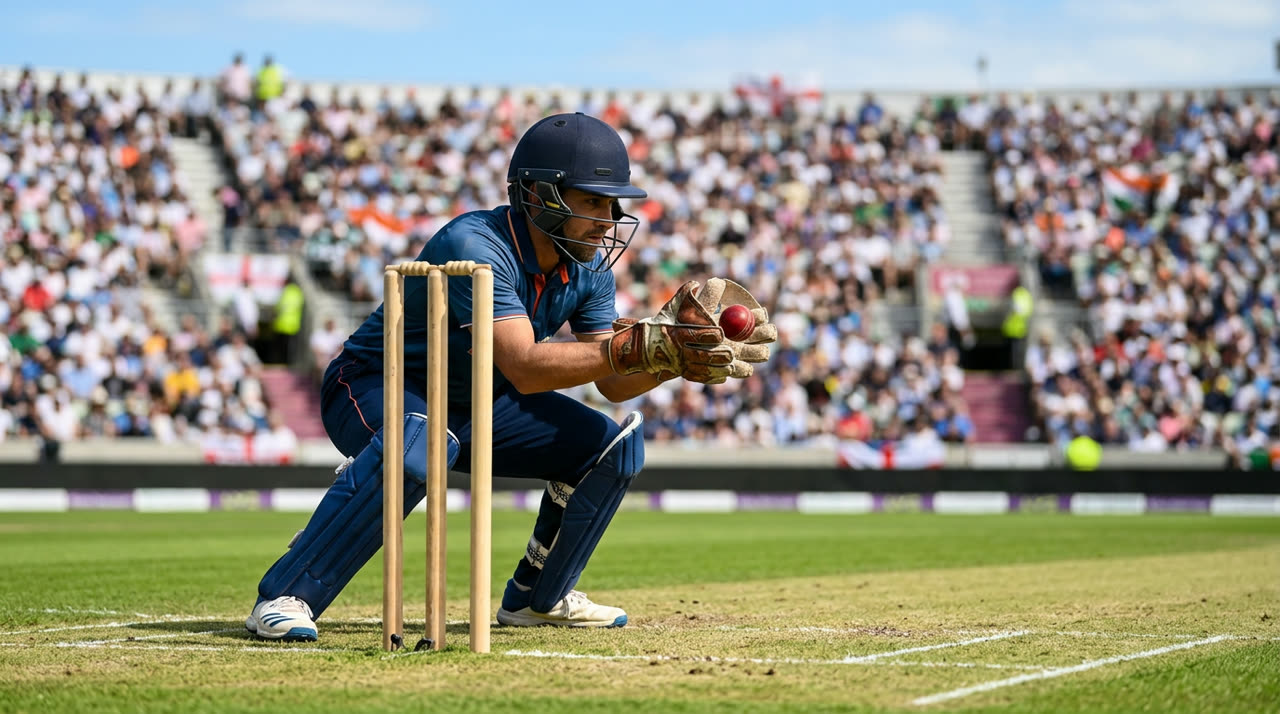
The Pure Specialist Era: When Glovework Came First
To understand the magnitude of cricket's keeper revolution, one must first look at the role's historical foundation. In classic cricket strategy, the keeper's priority was absolute minimization of errors. A single dropped catch off an edge or a missed stumping off a spinner could turn a match, making raw glovework the ultimate criteria for selection. Teams were content to field a player who averaged fifteen to twenty runs per inning, provided they rarely let a chance slip through their fingers.
During this era, keepers were judged on their ability to stand up to the stumps against medium pacers, read unpredictable pitch bounce, and keep leg-byes to an absolute minimum during grueling multi-day matches. Their batting was treated as an afterthought, often placed low in the order alongside specialist bowlers. This structural limitation effectively meant teams operated with only six recognized batters, placing immense pressure on the top order to post competitive totals.
The Catalyst for Change: The Rise of the True Batter-Keeper
The transition from pure gloveman to multi-skilled athlete began to accelerate toward the turn of the century. As white-ball cricket gained global popularity, the demand for scoring quick runs in the middle and lower order increased dramatically. Team management realized that having a non-contributing batter at number seven created an artificial ceiling on scoring capacity.
Gradually, players emerged who possessed both elite glove skills and the technical capability to score heavily against top-tier bowling. Rather than hiding at the bottom of the order, these dynamic players batted in the top six, counter-attacking when top orders collapsed or accelerating run rates during final overs. This proof-of-concept forced cricket nations worldwide to reevaluate their development pathways, prioritizing dual-threat keepers who could hold their own against elite pace and spin alike.
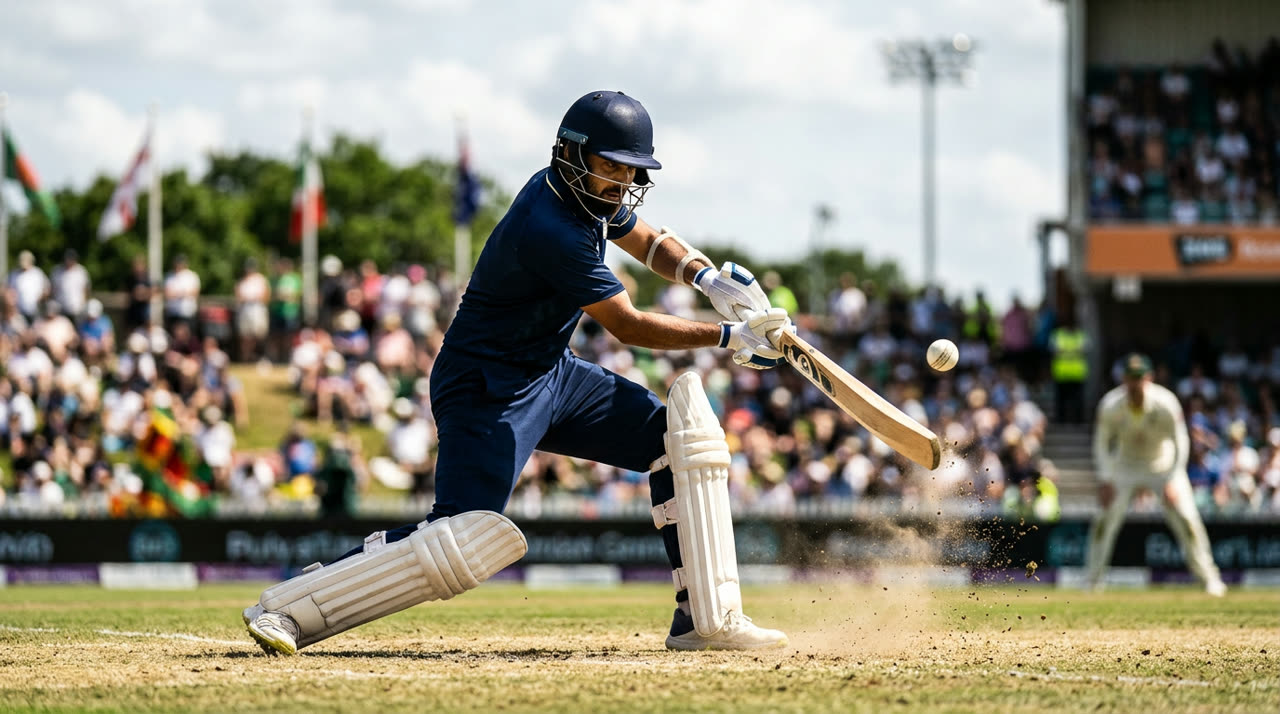
Tactical Flexibility: Unlocking the Sixth Bowler and Batting Depth
The structural impact of the modern wicketkeeper-batter cannot be overstated. By slotting a genuine batter behind the stumps, teams effectively unlock an extra slot in their starting eleven. This tactical shift provides captains with flexibility that transformed game strategies:
With a reliable keeper-batter occupying position six or seven, a team no longer has to choose between a long batting lineup and a varied bowling attack. The extra space allows teams to field five specialist bowlers or insert an additional all-rounder without sacrificing top-order security. In shorter formats, this extra depth gives top-order batters the license to play aggressively from ball one, knowing a capable late-order engine room remains in reserve.
- Enhanced Batting Length: Extends functional batting lineups down to position eight or nine.
- Bowling Variety: Enables teams to select five frontline bowling options across varying conditions.
- In-Game Adaptability: Allows keepers to act as flexible floaters in the batting order depending on match situations.
The Unseen Tactician: Strategic Leadership Behind the Wickets
Beyond their dual responsibilities with bat and gloves, the modern keeper has assumed the role of the team's primary on-field intelligence center. Situated directly behind the striker, the keeper possesses the best viewpoint on the ground to assess pitch behavior, ball movement, and batter positioning.
Modern captains rely heavily on their keeper to set field adjustments, suggest subtle changes in bowling line and length, and manage time parameters. Furthermore, the advent of decision review systems has elevated the keeper's judgment to a strategic priority. Because they view the precise trajectory of the ball past the bat, their real-time evaluation of leg-before-wicket decisions and fine edges directly dictates whether a captain risks valuable team reviews.
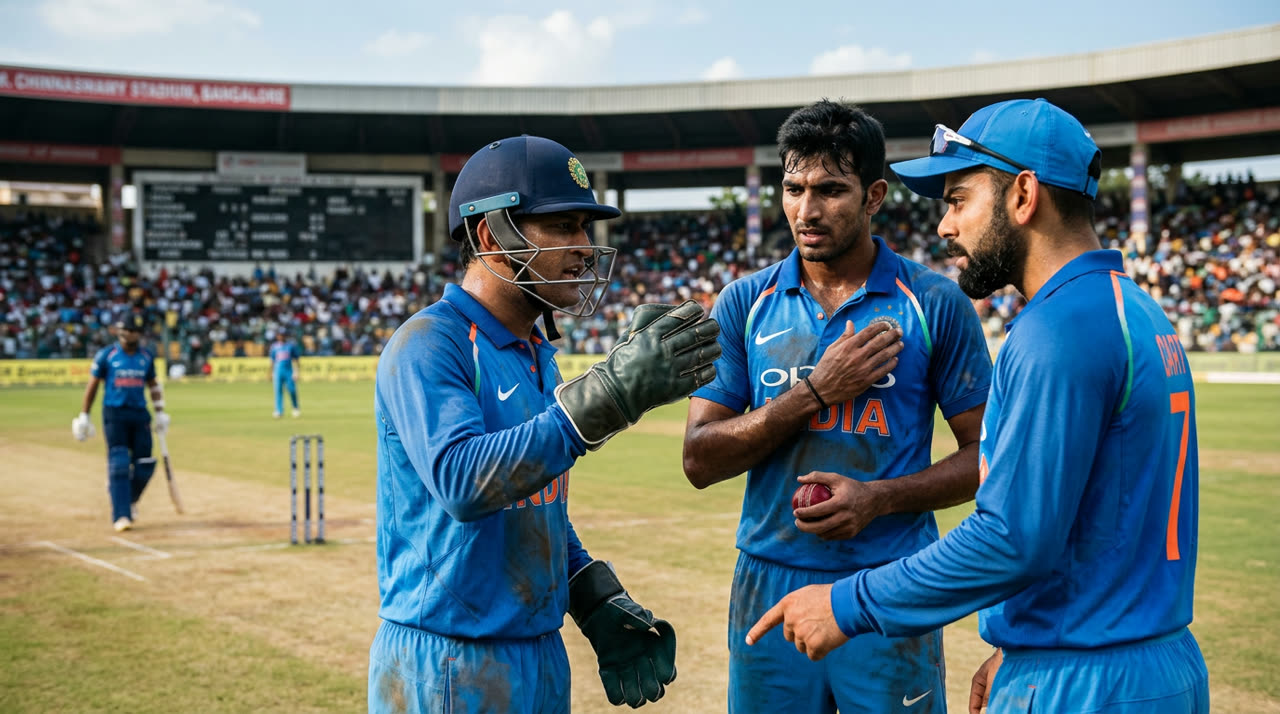
The Physical Demands of the Modern Hybrid Role
Combining top-tier wicketkeeping with high-impact batting places extraordinary physical and mental demands on modern players. A keeper in a Test match may squat over a thousand times across multiple days in the field, only to put on pads and bat for hours under high thermal and psychological stress. In limited-overs formats, they are expected to sprint heavily between wickets immediately after spending fifty overs crouching behind the stumps.
This grueling workload requires unprecedented levels of athletic conditioning. Modern keepers spend countless hours balancing core stability, explosive lateral agility, and high-volume batting practice. The margin for error remains razor-thin: despite their heavy scoring contributions, a missed chance behind the stumps can still erase the dynamic advantage they provide with the bat.
The transformation of the wicketkeeper from a passive glove specialist into a primary strategic anchor represents one of the most profound structural shifts in cricket history. By combining flawless reaction times behind the stumps with match-winning capability in front of them, the modern keeper has redefined how teams approach tactical balance. As the game continues to evolve toward higher scoring rates and intense physical demands, the dual-threat keeper will remain the indispensable centerpiece of successful cricket strategy.



0 Comments