
In 1925, world-famous explorer Percy Fawcett marched into the dense Brazilian jungle searching for an ancient lost civilization he called the Lost City of Z. He and his companions were never seen alive again, leaving behind one of the most famous true mysteries of the twentieth century.
Did the expedition succumb to the harsh elements of the rainforest, or did they meet a more dramatic end deep within unexplored territory?

What We Know
Percy Fawcett was a respected British artillery officer and surveyor for the Royal Geographical Society. Between 1906 and 1921, he led several successful mapping expeditions along the borders of Brazil, Bolivia, and Peru. He built a strong reputation for surviving extreme jungle conditions that broke other adventurers.
In April 1925, Fawcett launched his final expedition from the Brazilian town of Cuiabá. He traveled light to move quickly through the forest. The small team consisted of only three people: Fawcett, his 21-year-old son Jack Fawcett, and Jack's close friend Raleigh Rimell.
On May 29, 1925, Fawcett dispatched his final written letter to his wife, Nina, carried back by local guide runners from a location he named Dead Horse Camp. In the message, Fawcett wrote that they were crossing into uncharted territory and reassured her that she should have no fear of failure.
When the team failed to return after more than a year, public concern grew. Beginning in 1927, multiple search parties entered the region. Over the following decades, searchers found scattered items connected to Fawcett—including a brass compass and an engraved nameplate—but found no verifiable human remains.
The Theories
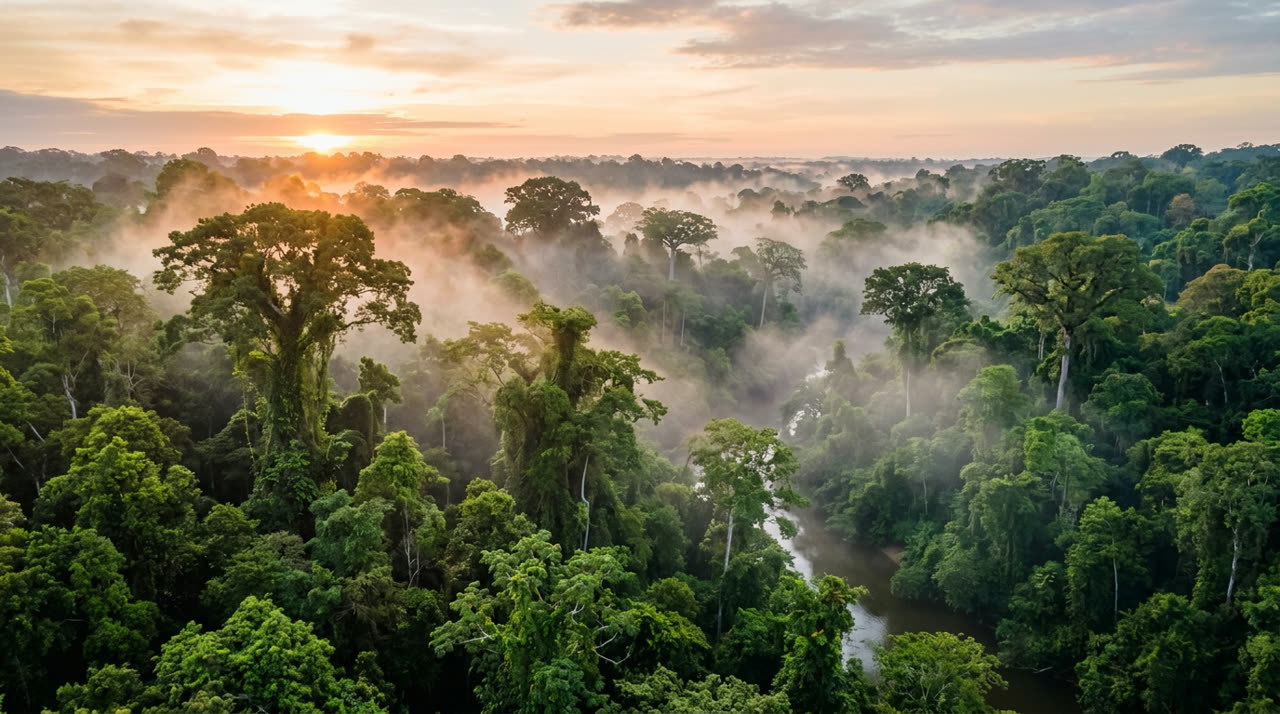
Theory 1: Conflict with Local Tribes. Investigators and later explorers long suspected that the group was killed by an indigenous tribe whose territory they entered. During the 1920s, several tribes in the Upper Xingu region had minimal contact with outsiders and defended their land vigorously against intruders.
Theory 2: Succumbing to Disease and Starvation. Many historians believe the men simply died from environmental hardship. The Amazon presented constant dangers, including malaria, yellow fever, venomous snakes, and severe lack of food. Raleigh Rimell was already reported to be suffering from a infected leg before the group reached Dead Horse Camp.
Theory 3: Intentional Disappearance. A less common theory suggested that Fawcett intentionally vanished to establish a secretive commune or spiritual colony in the wilderness. However, mainstream researchers discount this idea due to Fawcett's strong devotion to his family and his primary goal of historical discovery.
Search Expeditions and Mysterious Clues
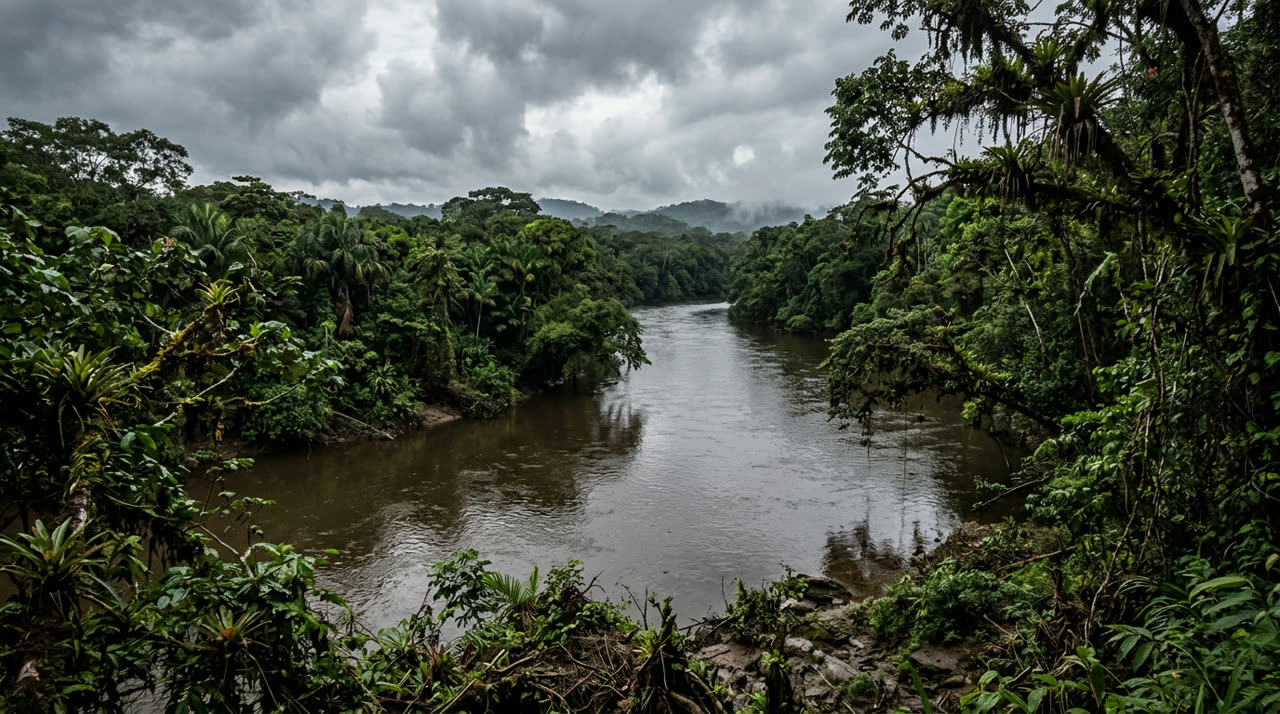
Over the decades, dozens of adventurers attempted to trace Fawcett's path. In 1928, explorer George Dyott led a rescue team and reported finding items belonging to Fawcett among local villagers, though he could not confirm how they obtained them.
In 1951, Brazilian activist Orlando Villas-Bôas announced that a tribal chief had confessed to killing the Fawcett party after a dispute. Human bones were turned over for testing, but modern forensic analysis conducted in the UK later proved the remains did not belong to Percy Fawcett or his son.
In 1996, another expedition attempted to follow Fawcett's route through the state of Mato Grosso. The team was briefly detained by local Kalapalo people before being released, illustrating how challenging and remote the terrain remains even in modern times.
Nearly a century after Percy Fawcett sent his final letter from Dead Horse Camp, the Amazon jungle keeps its secrets locked tight. Did the legendary explorer fall victim to disease, starve in the wilderness, or meet a sudden conflict with native inhabitants? Until definitive physical evidence comes to light, the ultimate fate of the Lost City of Z expedition remains unanswered.






0 Comments