
In December 1872, a British merchant ship spotted an American vessel drifting silently across the choppy waters of the Atlantic Ocean.
When sailors boarded the undamaged brigantine, they found six months of food, intact cargo, and personal belongings left behind, but all ten people on board had vanished without a trace.
What We Know: The Voyage and the Discovery
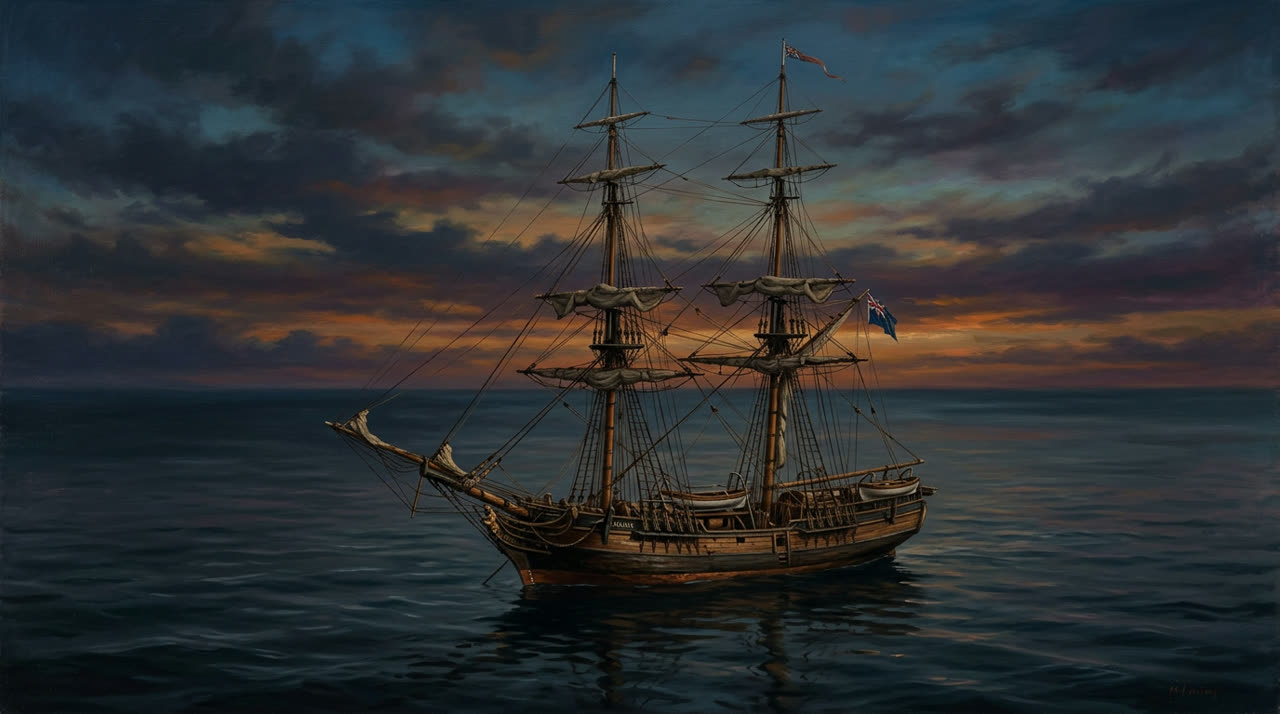
On November 7, 1872, the brigantine Mary Celeste set sail from New York City, bound for Genoa, Italy. The ship was captained by 37-year-old Benjamin Briggs, a respected mariner. Joining him on the journey were his wife Sarah, their two-year-old daughter Sophia, and an experienced crew of seven men.
The ship carried a heavy industrial cargo of 1,701 barrels of denatured alcohol. On December 4, 1872, the crew of the British brigantine Dei Gratia spotted the Mary Celeste about 400 miles east of the Azores. Captain David Morehouse of the Dei Gratia noticed the ship was sailing erratically under partial canvas and sent a boarding party to investigate.
The boarding crew discovered that the Mary Celeste was completely deserted. Water stood three and a half feet deep in the hold, but the vessel remained structurally sound and entirely seaworthy. The crew's warm clothing, boots, and personal possessions were left undisturbed in their quarters, and ample food and freshwater supplies remained.
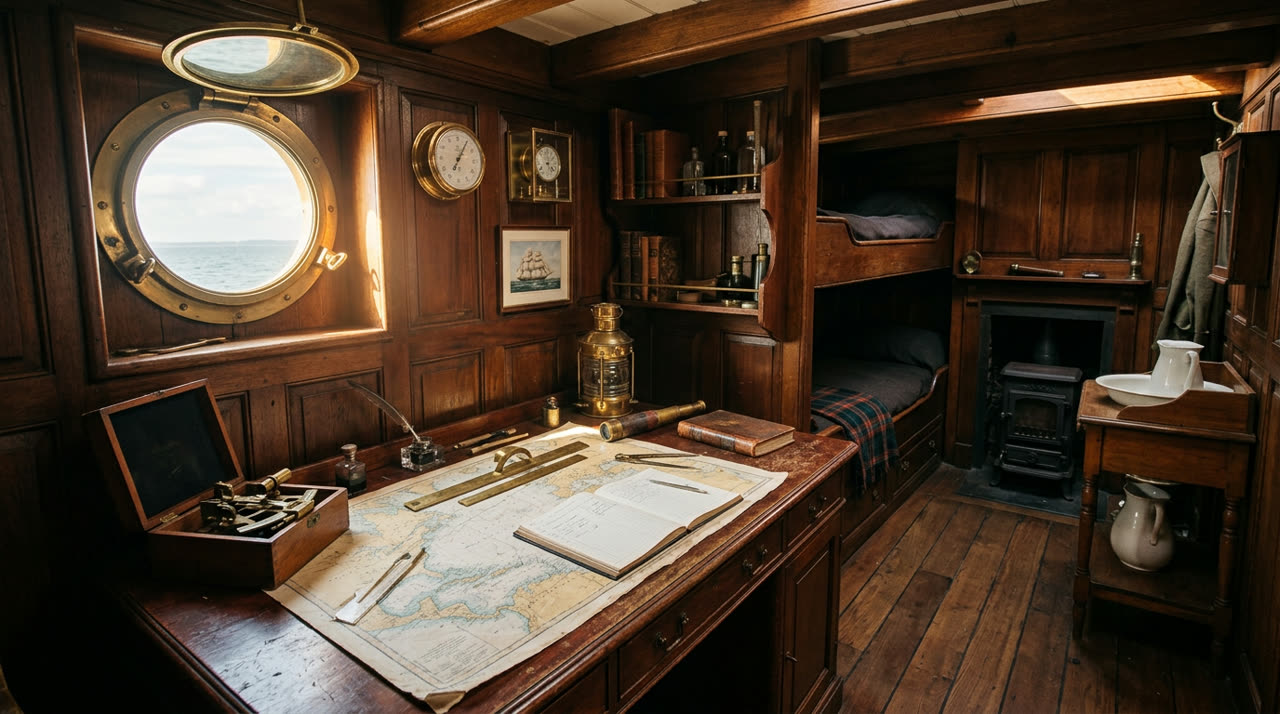
Key navigation items were missing from the vessel. The ship's single small lifeboat was gone, along with the captain's logbook, sextant, marine chronometer, and official registration papers. The final entry in the ship's log was dated November 25, 1872, placing the ship near Santa Maria Island, nearly 500 nautical miles from where it was found nine days later.
What We Know: The Official Investigation
After discovering the ship, crew members from the Dei Gratia sailed the Mary Celeste to the British port of Gibraltar to claim salvage rights. An official court inquiry was opened in December 1872 by Frederick Solly Flood, the Attorney General of Gibraltar.
Investigators initially suspected foul play, considering theories of mutiny, piracy, or a insurance scam. However, detailed forensic inspections found no evidence of violence, no bloodstains, and no damage to the ship consistent with a struggle. The cargo of alcohol was inspected and found intact, though nine barrels were later discovered empty when unloaded in Genoa. The court eventually granted salvage funds to the rescuers, finding no proof of criminal acts.
The Theories: Why Was the Ship Abandoned?
Theory 1: Alcohol Fume Explosion Risk. Researchers suggest that vapors escaping from the alcohol barrels may have expanded in warm weather, creating minor explosions or terrifying fumes in the hold. Fearing an imminent blast, Captain Briggs may have ordered an immediate evacuation into the lifeboat, keeping it tied to the ship by a towline. If the line snapped during high seas, the lifeboat would have drifted away while the main ship sailed on.
Theory 2: False Alarm Over Water Leakage. Another theory focuses on a potential misjudgment of water levels in the ship's hold. The Mary Celeste had recently undergone major repairs, and debris may have temporarily clogged the soundings pipe used to measure water depth. If the captain believed the vessel was taking on water rapidly during a storm, he might have ordered an emergency evacuation to the lifeboat, intending to board again once the storm cleared.
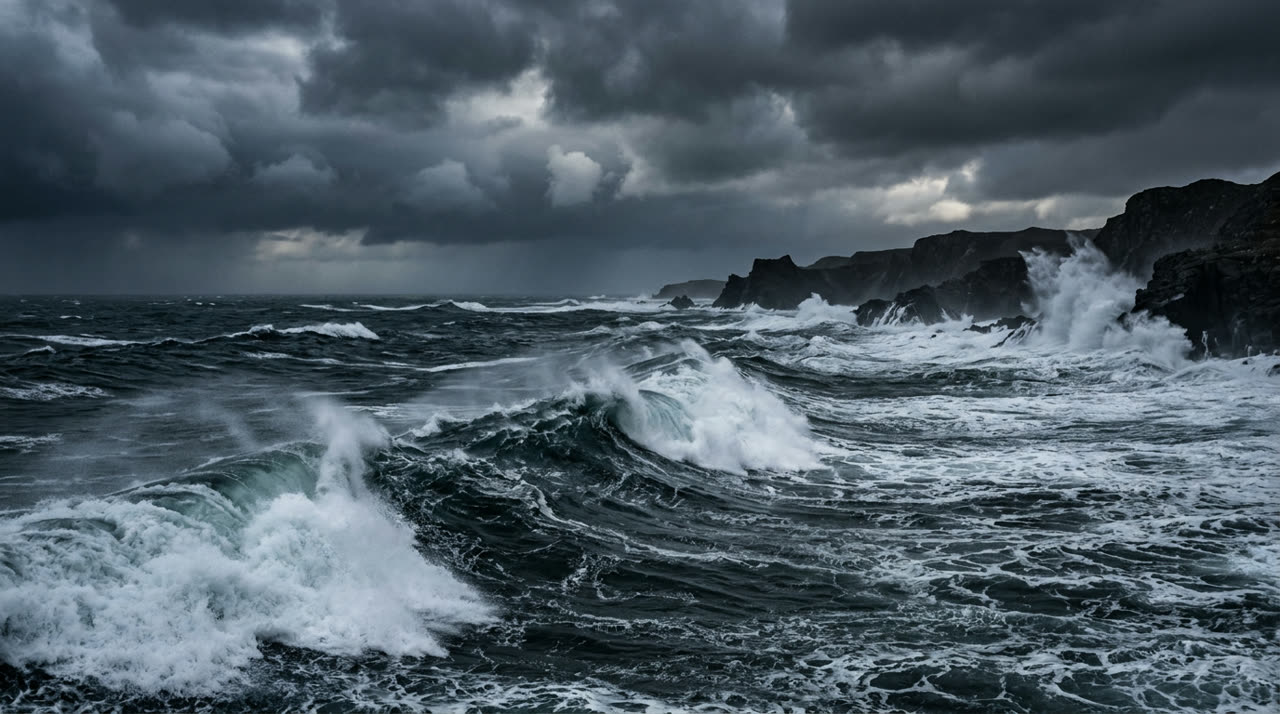
Theory 3: Natural Sea Hazards. A third explanation points to a localized natural phenomenon, such as a waterspout or seaquake. A sudden ocean shockwave or severe weather event could have damaged instruments, flooded the deck, and convinced the captain that the vessel was sinking. The crew would have rushed into the small lifeboat, which was likely capsized by heavy waves shortly afterward.
No human remains, wreckage from the missing lifeboat, or personal items belonging to the ten occupants were ever found. Despite extensive maritime searches and over a century of historical research, no definitive evidence has ever explained why Captain Briggs abandoned a completely seaworthy ship in open water. The fate of the ten people on board the Mary Celeste remains one of history's greatest maritime mysteries.





0 Comments