
In every delivery of a cricket match, only two players are guaranteed to be active: the bowler delivering the leather and the wicketkeeper crouched in wait behind the stumps. Positioned at the dynamic epicenter of play, the wicketkeeper occupies what is arguably the most demanding vantage point in team sports. Yet for over a century, this crucial position was viewed through a narrow, highly traditional lens—a sanctuary for defensive craftsmen whose primary task was simply to collect missed balls, take routine catches, and execute occasional stumpings.
Today, that quiet specialization is ancient history. Modern cricket has radically rewritten the keeper’s job description. The contemporary gloveman is no longer a passive safety net; they are expected to be an explosive match-winning batter, the primary tactical partner on Decision Review System (DRS) calls, and the energetic engine room of a team's fielding morale. Examining this shift reveals how one of cricket's oldest roles transformed into its ultimate athletic test.
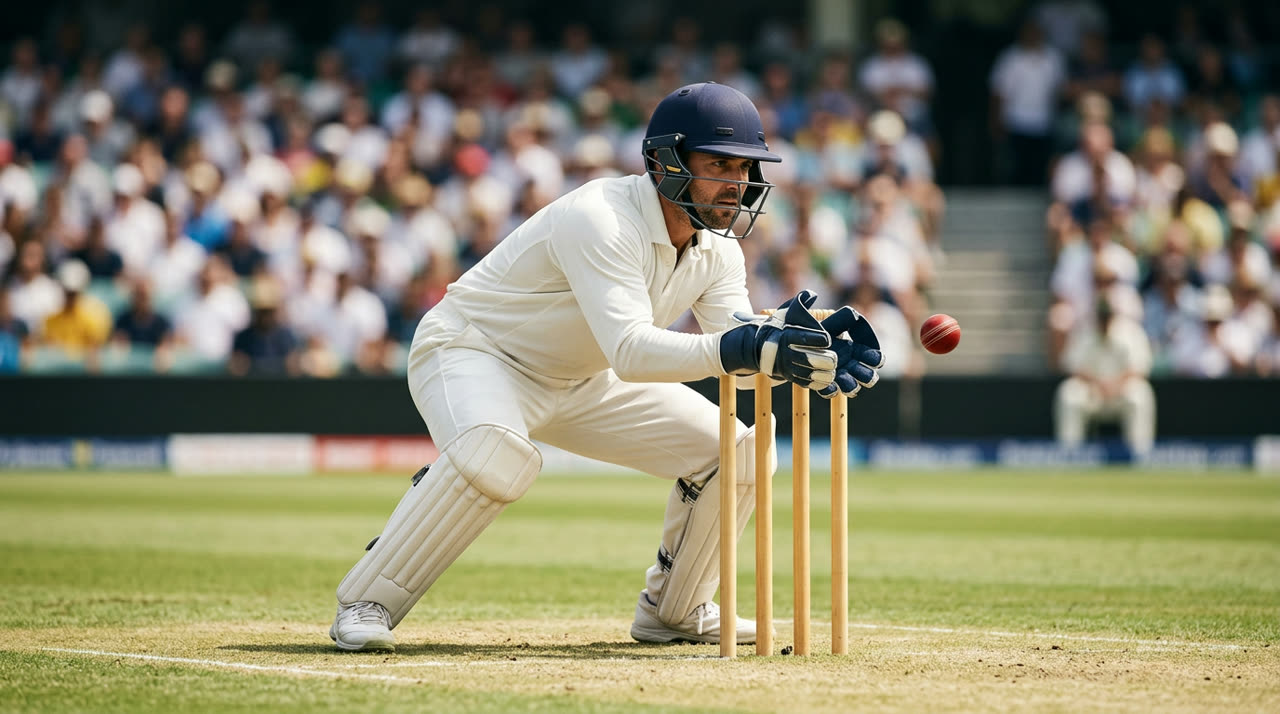
From Pure Specialists to Multi-Taskers
For decades, international team selection followed an unshakeable rule: pick your best gloveman first and worry about their batting later. Pure specialists like Bob Taylor, Alan Knott, and Jack Russell were celebrated for their artistry behind the stumps. Their movements were minimalist poetry—soft hands absorbing 90mph deliveries, immaculate balance, and lightning-quick footwork on deteriorating pitches.
During this classical era, any runs scored by a wicketkeeper at number eight or nine in the batting order were treated as an unexpected bonus rather than an expectation. A keeper could maintain a long, successful international career with a modest batting average, provided their glove-work remained flawless. The mental conditioning of the role was purely defensive, centered on absolute concentration through hours of tedious field work.
- Focus on immaculate glove technique and soft, shock-absorbing wrists.
- Minimal emphasis on high-volume batting runs or top-order power hitting.
- Selection prioritized clean takes over overall athletic versatility.
The Gilchrist Effect: Rewriting the Archetype
The turn of the millennium brought a seismic shock to this traditional paradigm, largely catalyzed by Australian legend Adam Gilchrist. Batting at number seven in Test cricket and opening in One Day Internationals, Gilchrist did not merely score runs—he dismantled world-class bowling attacks at breathtaking strike rates, fundamentally altering team balance overnight.
Suddenly, cricket boards across the globe realized the tactical power of playing an extra elite batter who could also keep wickets. A keeper who could score rapid centuries transformed a respectable total into a match-winning score. This shift raised the baseline standard forever; overnight, elite teams could no longer afford a single-specialist gloveman who was a liability with the bat.
- Expectation shifted to maintaining a high batting average alongside clean glove-work.
- Rise of middle-order counter-attackers who turn defensive positions into dominant leads.
- Emergence of iconic modern keeper-batters like Kumar Sangakkara, MS Dhoni, Jos Buttler, and Rishabh Pant.
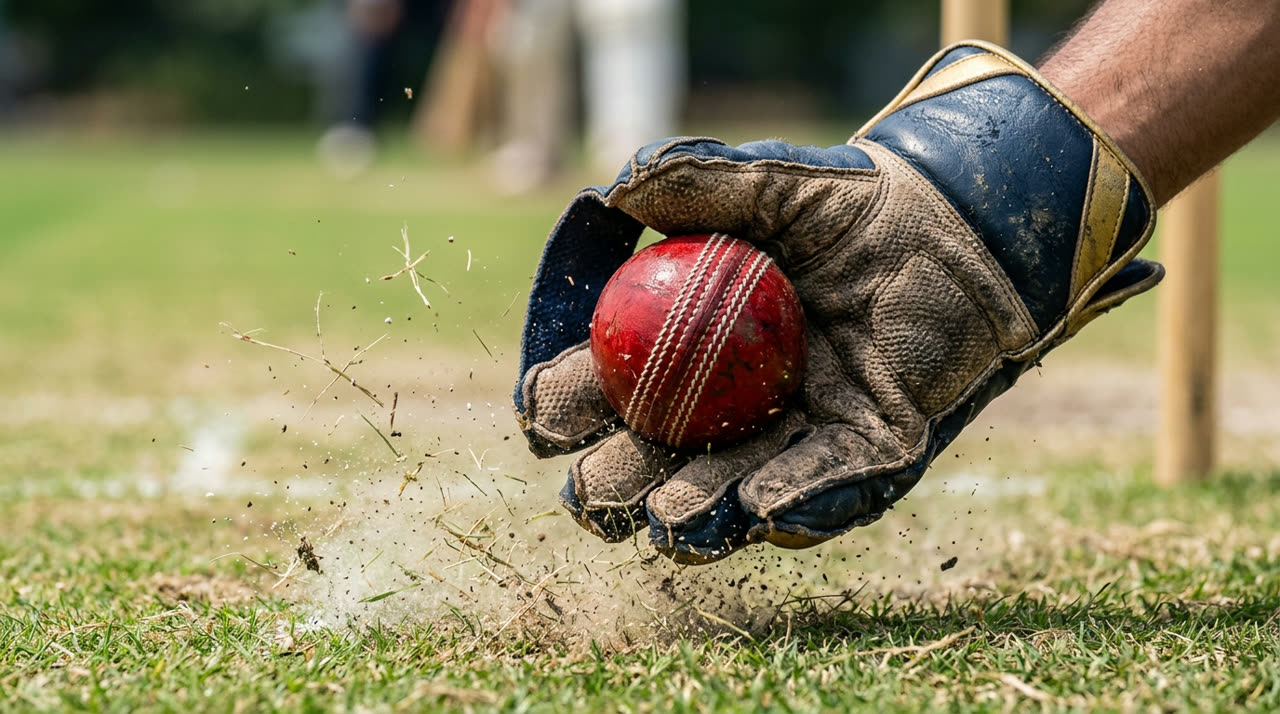
Biomechanics Behind the Stumps: 90mph Reaction Times
While the batting demands on modern keepers have surged, the physical art of glove-work has become even more technically complex. When standing back to fast bowlers operating above 145 km/h (90 mph), a keeper has less than half a second to react to a deflection off the outer edge. This requires intricate biomechanical efficiency: a stable crouch, weight centered on the balls of the feet, and an unhurried rise that mirrors the ball's trajectory.
Standing up to spinners on turning tracks presents an entirely different technical nightmare. Here, the keeper must read the bowler's wrist release, anticipate late drift, and stay low until the ball bounces. Soft hands are essential; instead of reaching aggressively toward the ball, the gloves must yield backwards upon contact, cushioning kinetic energy to prevent expensive drops and missed stumpings.
- Delayed Rise: Remaining crouched as long as possible to catch low edges.
- Soft Wrists: Absorbing high-velocity ball impact naturally without hard rebounds.
- Head Position: Keeping the eyes perfectly level through the point of contact to track late movement.
The DRS Commander and On-Field Strategist
The introduction of elite technology has expanded the keeper's responsibilities into high-stakes tactical decision-making. Positioned directly along the line of the pitch, the keeper possesses the clearest, unhindered view of delivery trajectory, impact points, and subtle seam movement. Consequently, they have become the primary authority on whether a captain should challenge an umpire's decision.
Evaluating a potential leg-before-wicket (LBW) shout under the 15-second DRS clock demands instant analytical clarity. The keeper must immediately judge three variables: did the ball strike in line, was the height acceptable, and was there an inside edge? Beyond reviews, keepers act as the captain’s tactical eyes, observing batter footwork patterns, advising bowlers on line-and-length tweaks, and maintaining high energy levels across grueling sessions.
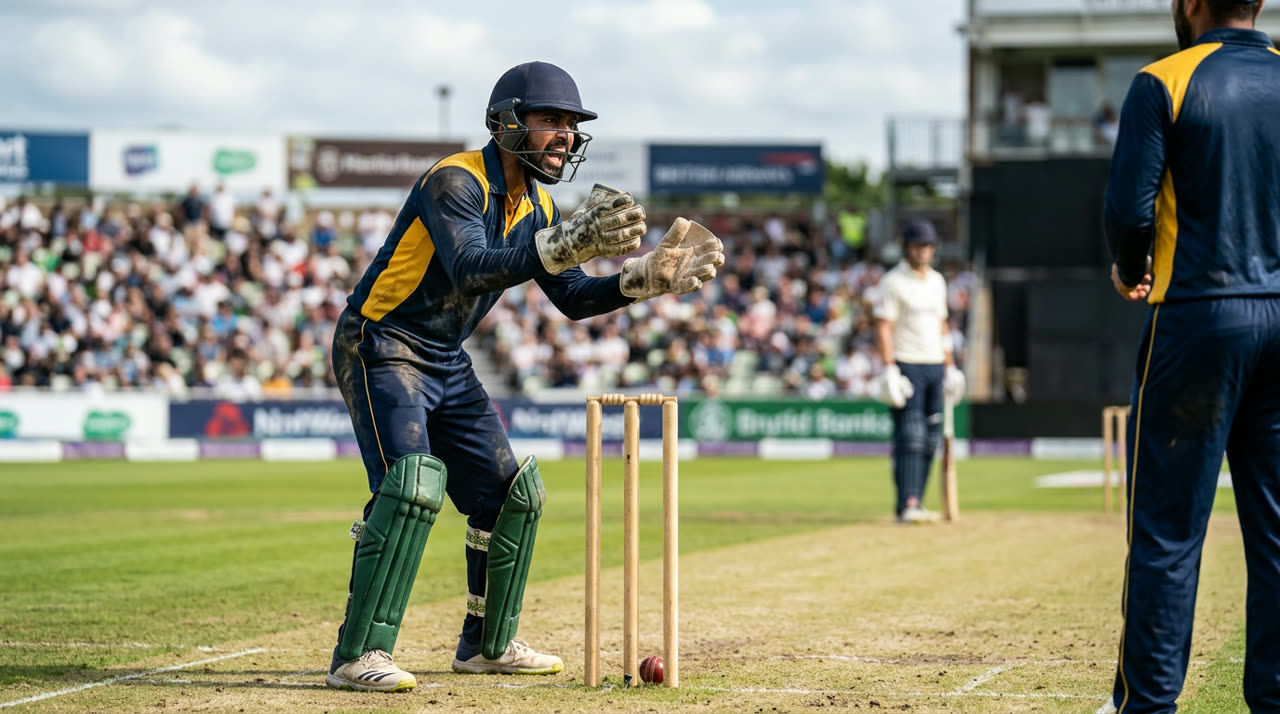
Squatting 500 Times a Day: Managing the Physical Burden
The physical toll exacted on a modern wicketkeeper is staggering. During a single day of Test cricket, a keeper squats and rises over 500 times while encased in heavy protective gear, often enduring punishing heat and humidity. This places immense pressure on the knees, lower back, and core stabilizers, requiring elite strength and conditioning regimes far removed from cricket's amateur past.
Hand and finger injuries are an inevitable occupational hazard. Repeated high-impact collisions with a hard leather ball lead to jammed joints, chronic tendon strain, and fractured fingers. Modern keepers counter these risks through custom finger-taping techniques, high-density impact foam inside gloves, and specialized cold-water recovery protocols designed to maintain flexibility across long tournament schedules.
The modern wicketkeeper stands as cricket’s ultimate multi-hyphenate athlete. No longer hidden in the shadows of pure specialization, the keeper is simultaneously a high-grade defensive athlete, a dynamic run-scorer, and a central brain in tactical decision-making.
As white-ball innovations continue to push execution limits and red-ball tactics demand greater versatility, the gloveman’s seat will only become more pivotal. The modern keeper proves that mastering cricket today requires far more than just taking catches—it requires orchestrating the game from behind the stumps.


0 Comments