
On the night of June 11, 1962, three inmates executed one of the most daring prison breakouts in American history from Alcatraz Federal Penitentiary. Did Frank Morris and brothers John and Clarence Anglin drown in the freezing waters of San Francisco Bay, or did they successfully pull off the impossible escape?
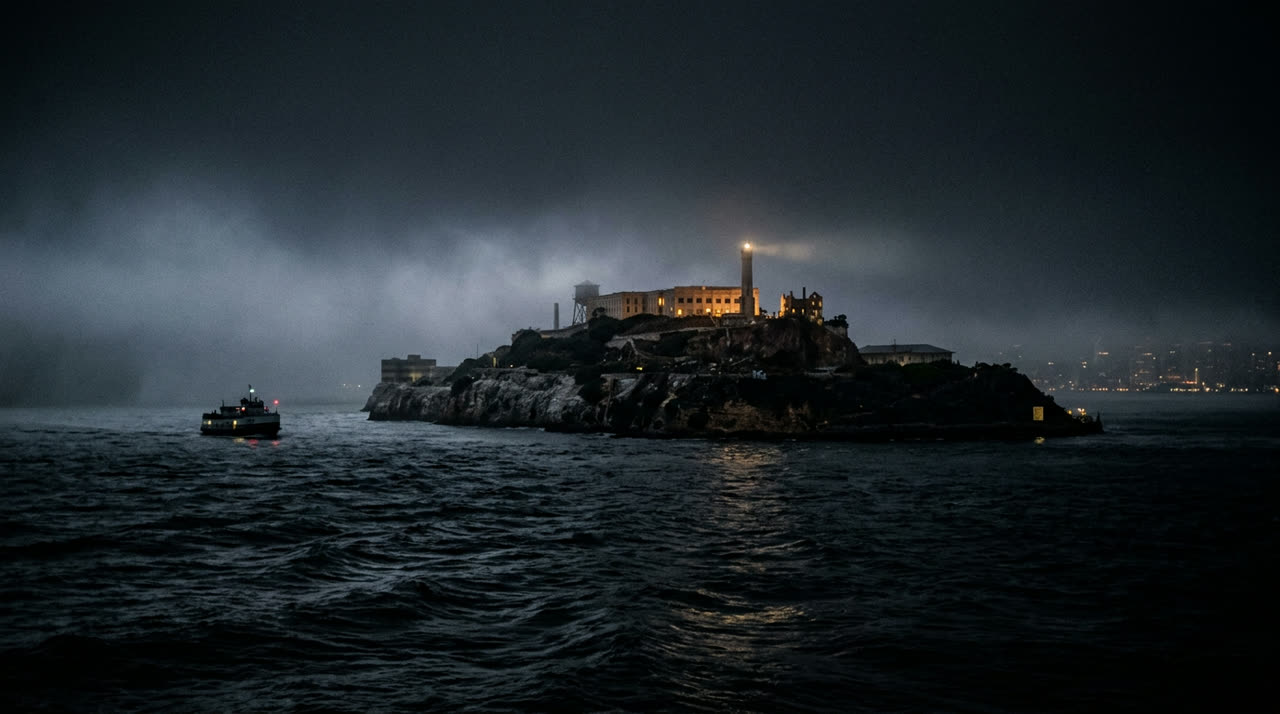
What We Know
On June 11, 1962, Frank Morris and brothers John and Clarence Anglin carried out a complex escape plan from their cells on Alcatraz Island. A fourth inmate, Allen West, participated in the planning but was unable to remove his cell ventilator grill in time and was left behind.
To delay discovery, the men crafted realistic dummy heads to place in their cots. They made the decoys using a combination of soap, toilet paper, toothpaste, and real hair gathered from the prison barbershop floor. The fake heads successfully fooled the night guards during routine headcount checks.
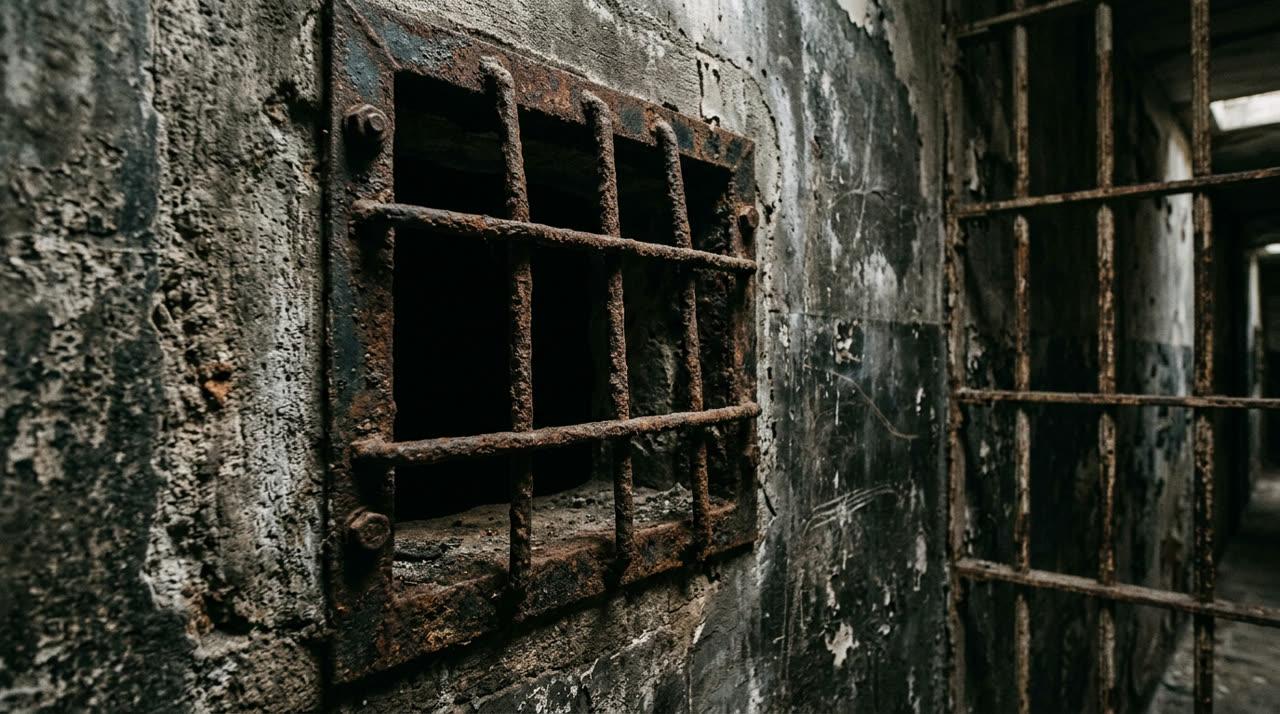
The prisoners used chipped-down spoons, butter knives, and an improvised drill fashioned from a vacuum cleaner motor to widen the air vents in their cell walls. Once through the vents, they accessed a narrow, unguarded utility corridor, climbed pipe networks to the roof, and slid down a drainpipe to reach the shoreline.
At the water's edge, the men inflated a makeshift raft and life vests constructed from more than 50 stolen rubber raincoats sealed together with heated steam pipes. They launched into San Francisco Bay around 10:00 p.m., and when guards discovered the dummy heads the following morning, an extensive search began, but no bodies or living fugitives were ever definitively located.
Theory 1: The Inmates Drowned in San Francisco Bay
The primary long-standing theory held by law enforcement officials is that the three men perished shortly after entering the water. San Francisco Bay is infamous for its strong, swift ocean currents and water temperatures that frequently hover between 50 and 55 degrees Fahrenheit.
Investigators noted that survival in such frigid water without wet suits is limited to less than an hour due to severe hypothermia. During the immediate search, rescue teams discovered remnants of the rubber raft material, a homemade paddle, and personal photos belonging to the Anglin family wrapped in plastic floating near Angel Island, suggesting the raft may have torn or capsized during the rough crossing.
Theory 2: The Men Reached Land and Fleed successfully
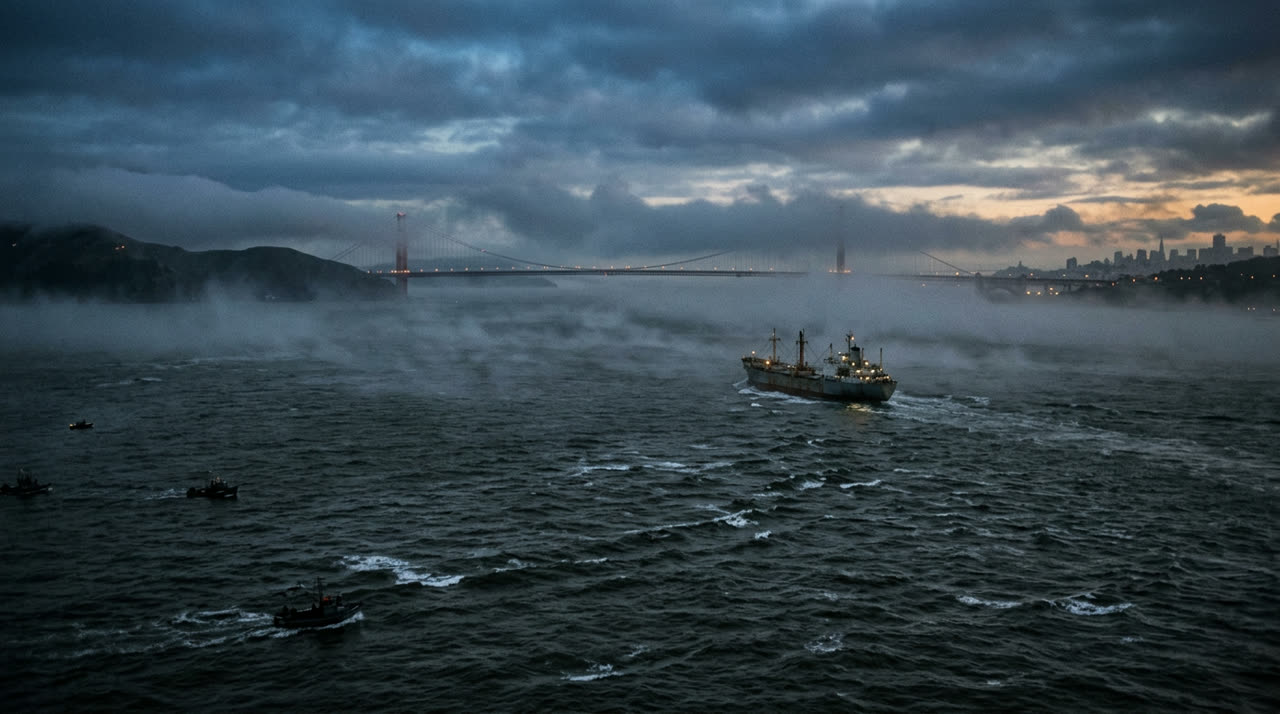
Another widely discussed theory suggests that the trio managed to cross the bay and land on shore near Angel Island or Marin County. Supporters of this theory point to footprint tracks leading away from a raft landing site and a stolen motor vehicle reported in the area early the next morning.
Over the decades, several pieces of circumstantial evidence have emerged to support the idea of survival. Members of the Anglin family reported receiving Christmas cards signed with the brothers' names for several years after the escape, and a photograph allegedly taken in Brazil in 1975 was later claimed by family members to show Clarence and John Anglin as grown men living under aliases.
What remains unanswered is whether any human being has ever truly escaped the island fortress of Alcatraz alive. The FBI officially closed its file on the case in 1979 after finding no concrete proof of survival, but the United States Marshals Service maintains an open investigation that will remain active until all three men would have reached 100 years of age.





0 Comments