
On March 26, 1967, an influential American businessman went for an afternoon walk in the highlands of Malaysia and vanished without a trace.
How could a former intelligence officer with survival training disappear completely from a heavily searched region without leaving behind a single physical clue?
What We Know: The Walk Into the Jungle
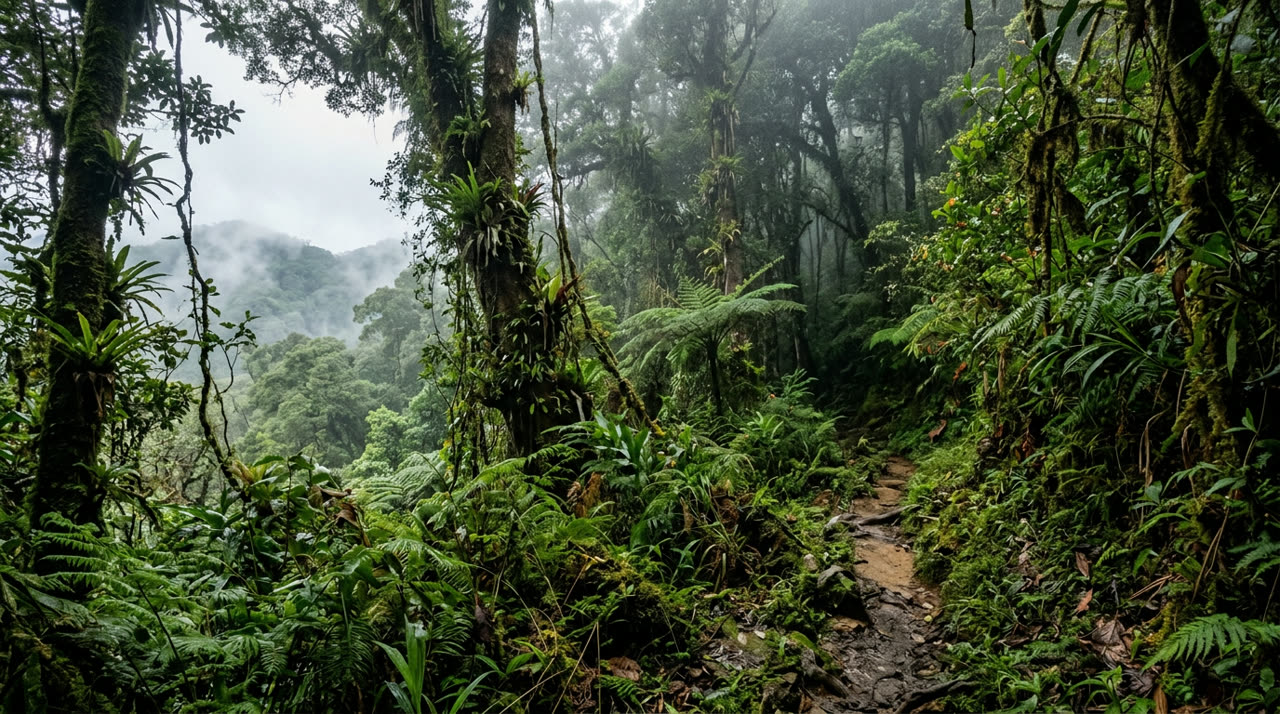
On Sunday, March 26, 1967, fifty-six-year-old James Harrison Wilson Thompson was visiting friends at a secluded retreat called Moonlight Cottage in the Cameron Highlands of Malaysia. The area was a popular hill station known for its cool climate, tea plantations, and dense tropical rainforests.
Around 1:30 p.m., Thompson left the cottage while his companions were resting. Witnesses reported seeing him walking along a narrow road that led into the surrounding jungle trails.
When Thompson failed to return by evening, his friends alerted local authorities, initiating an immediate search operation before nightfall.
No verified sightings of Thompson occurred after that Sunday afternoon, and no confirmed trace of his presence was ever discovered along the trails.
What We Know: The Man Behind the Legend
Jim Thompson was not an ordinary tourist. During World War II, he served as an operative for the Office of Strategic Services (OSS), the precursor to the United States Central Intelligence Agency (CIA).
His wartime service took him across Europe and Asia, where he gained extensive field experience, tactical training, and knowledge of jungle environments.
After leaving military service, Thompson settled in Bangkok, Thailand, where he helped revive the Thai silk industry. His business success earned him international fame as the 'Silk King' of Thailand.
Because of his background in military intelligence and high-level international contacts, his sudden disappearance immediately raised concerns across multiple governments.
What We Know: The Massive Search Effort
The search for Jim Thompson became one of the largest official rescue efforts in Malaysian history. Hundreds of individuals participated over several weeks.
The search force included Malaysian police officers, British military personnel, local villagers, and indigenous Orang Asli trackers renowned for their deep knowledge of the local terrain.
Search teams used rescue dogs, helicopters, and grid searches covering miles of treacherous jungle, steep ravines, and river valleys.
Despite weeks of intensive efforts by experienced professionals, searchers found no discarded clothing, no footprints, no broken branches, and no personal belongings.
What We Know: The Personal Items Left Behind
Investigators examining Thompson's room at Moonlight Cottage made several notable discoveries regarding what he took and what he left behind.
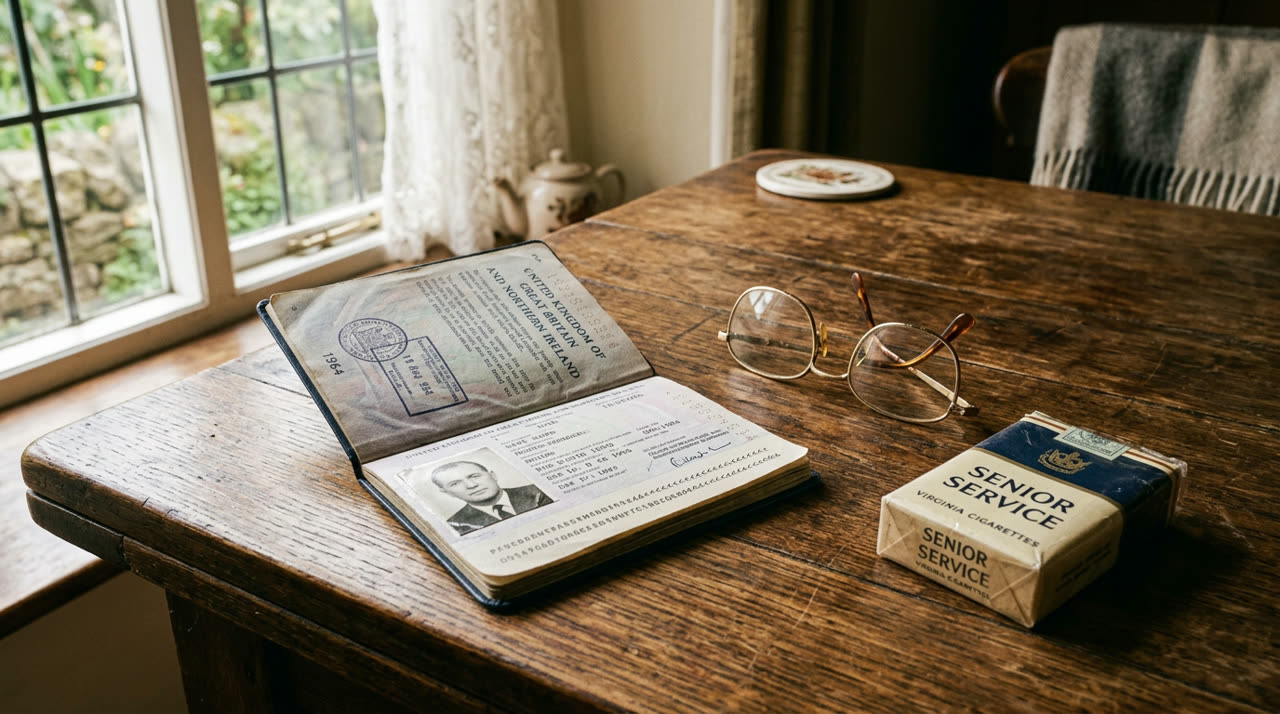
Thompson left behind his passport, his wallet containing cash, his travel documents, and his daily medication.
He also left a fresh pack of cigarettes and his lighter on the table, despite being a heavy smoker who rarely went anywhere without them.
The fact that he left these essential personal items suggested to investigators that he intended to go for only a short, brief walk.
The Theories: Lost or Injured in the Dense Forest
Theory One suggests that Thompson suffered an accidental injury or fell into a hidden ravine within the dense jungle. The terrain in the Cameron Highlands contains deep earth crevices, hidden sinkholes, and steep cliffs covered by thick green canopy.
Proponents of this theory point out that even experienced outdoorsmen can slip or suffer a sudden medical event such as a heart attack. If he fell into a deep fissure or fast-moving river, his body could have been hidden by natural foliage or carried away.
However, experienced indigenous trackers who knew every yard of the forest maintained that a person lost in that specific area would likely leave some physical sign, such as broken foliage or disturbed ground.
The Theories: Abduction or Political Foul Play
Theory Two proposes that Thompson was kidnapped or targeted due to his past intelligence career and political connections in Southeast Asia.
During the late 1960s, the region experienced significant political instability and Cold War tensions. Some investigators suspected that foreign intelligence agencies or local insurgent groups might have targeted Thompson.
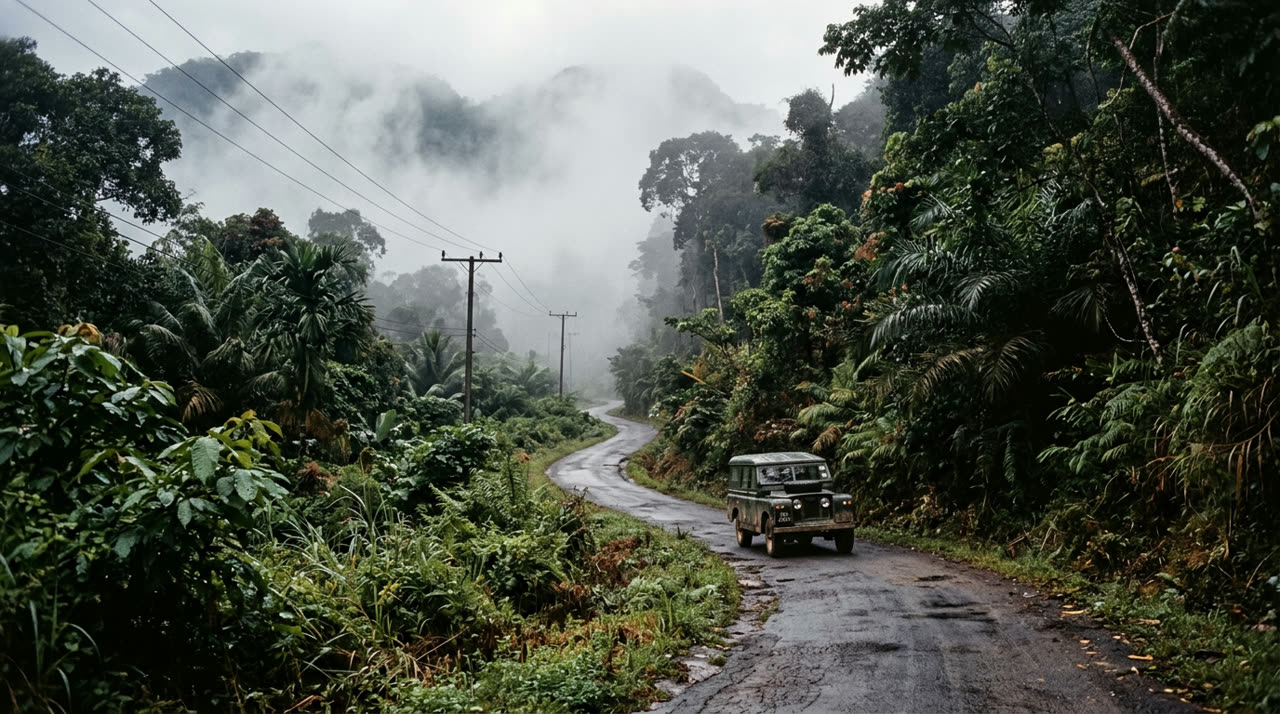
According to this explanation, Thompson may have been abducted from the roadside by vehicle after emerging from the forest trail, explaining why search dogs lost any potential scent at the paved road.
No group ever claimed responsibility or made a ransom demand, leaving this hypothesis unverified by direct physical evidence.
The Theories: A Voluntary Disappearance
Theory Three suggests that Thompson staged his own disappearance to start a new life or escape personal and business pressures.
Supporters of this view note his background in covert operations, which gave him the practical knowledge needed to plan an escape and assume a new identity.
Critics of this theory emphasize that Thompson was deeply attached to his business empire in Bangkok and had no clear motive to abandon his fortune, friends, and legacy.
No credible evidence has ever surfaced showing that Thompson lived under an assumed name anywhere in the world after 1967.
What remains unanswered is how a high-profile former intelligence agent vanished without leaving a single piece of evidence, footprint, or personal item behind in a limited search area. Decades after he walked up the mountain path on a calm Sunday afternoon, the ultimate fate of Jim Thompson remains one of Southeast Asia's most enduring true mysteries.





0 Comments