
In December 1913, famous American writer and Civil War veteran Ambrose Bierce crossed the southern border into Mexico during a violent revolution.
He was seventy-one years old, traveled completely alone, and was never seen or heard from again.
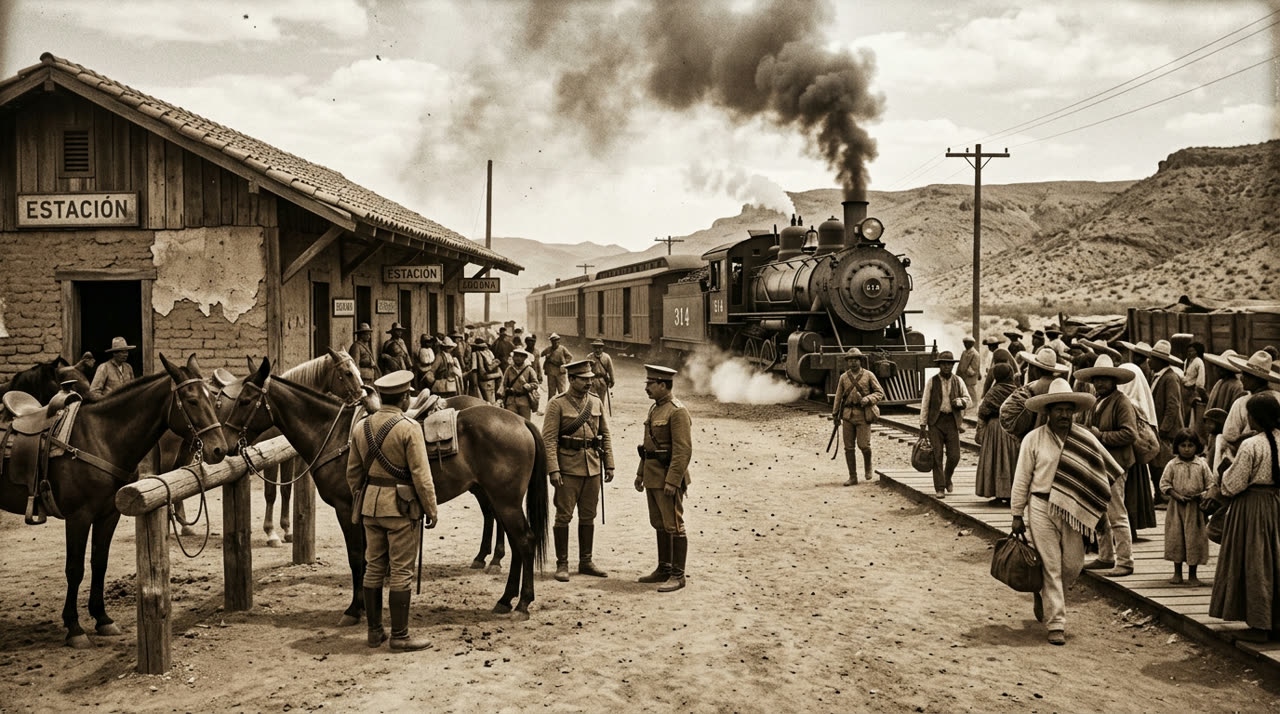
What We Know: His Final Journey
Ambrose Bierce was a well-known journalist and author best remembered for his short stories about the Civil War and his famous satirical book, The Devil's Dictionary. In the autumn of 1913, at seventy-one years old, he left Washington, D.C., to tour his old Civil War battlefields across the American South.
By late October 1913, Bierce arrived in New Orleans, Louisiana. During interviews with local newspaper reporters, he stated his intention to cross into Mexico to see the ongoing revolution firsthand.
In November 1913, Bierce traveled to El Paso, Texas, where he crossed the border into Juarez, Mexico. On December 26, 1913, he wrote his final known letter from the Mexican city of Chihuahua to a close friend, mentioning that he had attached himself to General Pancho Villa's army as an observer.
That letter was the last confirmed communication anyone ever received from Ambrose Bierce. Official investigations by the United States State Department failed to locate any verified paper trail or concrete evidence of his whereabouts after December 1913.
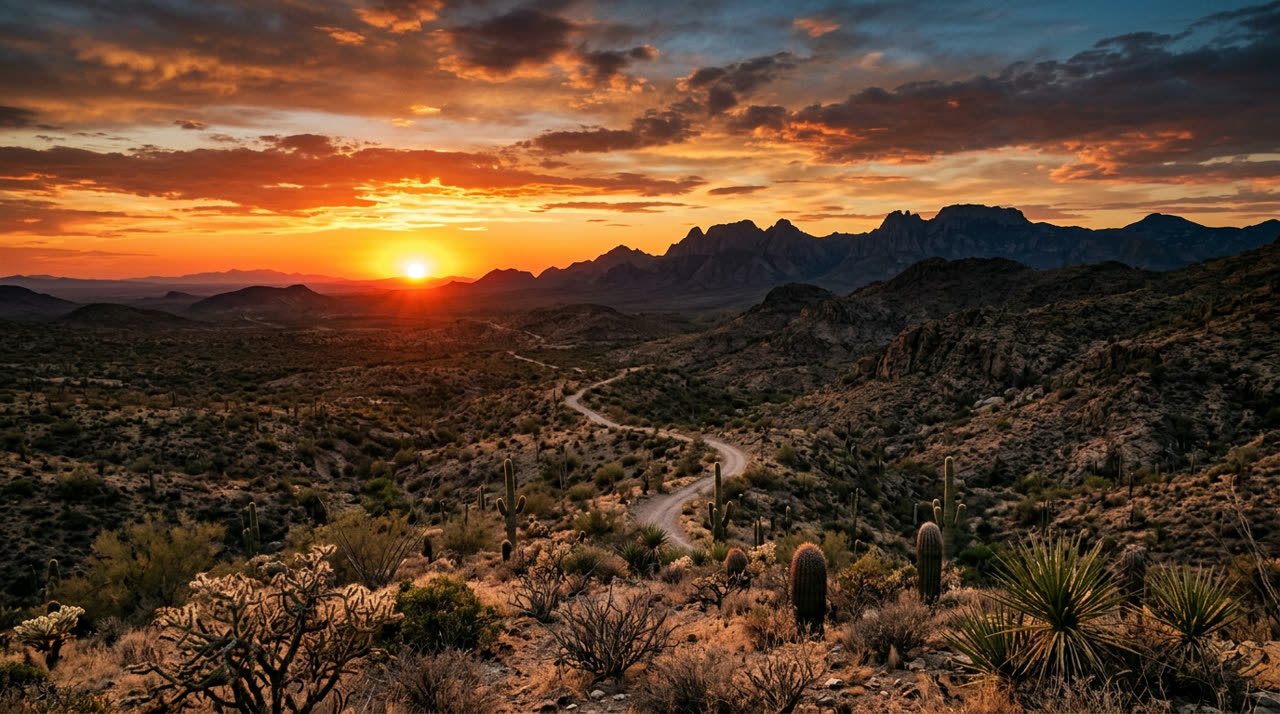
The Theories: Killed in the Battle of Ojinaga
One major theory suggests that Bierce was killed during the Battle of Ojinaga in January 1914. This was a brutal conflict between Pancho Villa's rebel forces and government army troops near the border town of Ojinaga, Mexico.
Supporters of this theory point out that an elderly American man matching Bierce's physical description was reportedly seen riding with Villa's troops toward the front lines. If he died during the heavy fighting, his body was likely buried in an unmarked mass grave along with hundreds of fallen soldiers.
The Theories: Executed by Revolutionary Forces
Another theory claims that Bierce did not fall in combat, but was executed on the orders of General Pancho Villa. Bierce was well known for his sharp tongue, bold opinionated style, and fierce independence.
According to accounts collected by researchers years later, investigators suspected Bierce may have argued with Villa or threatened to leave the rebel army to join a rival faction. In response, local commanders or Villa himself may have ordered his execution to prevent critical news stories from reaching American newspapers.

The Theories: An Intentional Final Act
A third theory proposes that Bierce intentionally traveled to Mexico with the goal of ending his own life or disappearing forever. Before leaving the United States, he wrote several letters to friends containing dark, dramatic statements about his upcoming journey.
In one letter, he wrote that being stood up against a Mexican stone wall and shot to rags beat dying of old age or disease. Proponents of this theory believe Bierce used the chaotic atmosphere of the Mexican Revolution to stage his own disappearance, ensuring his death remained a dramatic mystery.
What remains unanswered is the true fate of one of America's most famous nineteenth-century authors. More than a century later, no physical evidence, gravesite, or personal belonging of Ambrose Bierce has ever been discovered. Did the elderly writer die heroically on a battlefield, suffer execution in the desert, or quietly slip away into history? The exact answer remains hidden in the sands of northern Mexico.





0 Comments