
In a sport measured in millimeter margins, hyper-detailed ball-tracking data, and intense physical exertion, cricket's ultimate battlefield remains entirely unseen. It exists in the quiet, high-stakes space between the ears of the athlete standing on the pitch. While physical conditioning and technical biomechanics earn players a spot at the professional level, psychological fortitude dictates who survives and thrives under relentless international scrutiny.
Unlike sports with continuous action like football or basketball, cricket is defined by prolonged periods of inactivity interrupted by split-second decisions of extreme violence and precision. A batter may sit in the pavilion for hours anticipating their turn, only to face a 150 km/h delivery within seconds of stepping onto the field. Understanding how modern players navigate cognitive fatigue, emotional regulation, and intense pressure has become the latest frontier in athletic excellence.
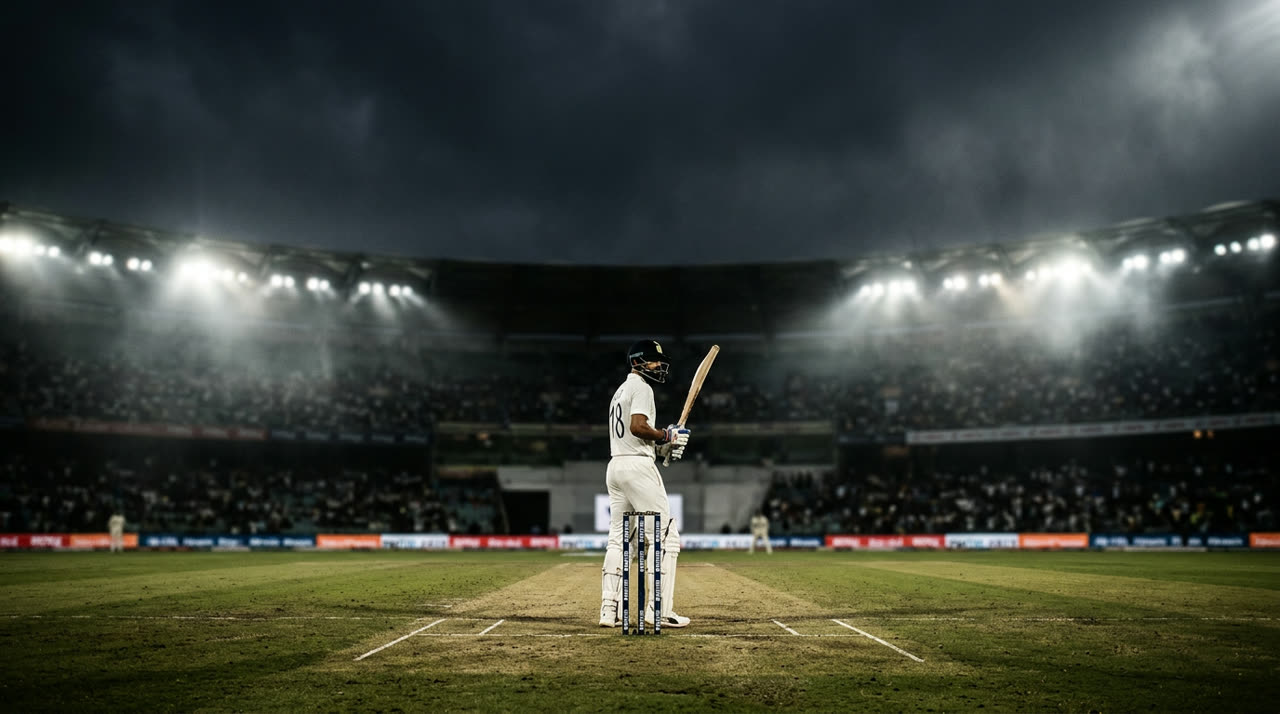
The Unique Cognitive Architecture of Cricket
Cricket presents a psychological paradox rarely matched in global sport. It demands explosive, sub-second physical execution while requiring hours of calm, strategic contemplation. This intermittent rhythm places a peculiar load on the human brain, forcing athletes to constantly switch between state of hyper-arousal and deep relaxation.
Consider the role of a fielder in the slips. They may stand motionless for twenty overs in searing heat without touching the ball. Suddenly, an edge flies toward them at 120 km/h, leaving less than half a second to react and complete a match-defining catch. Maintaining cognitive vigilance during long stretches of boredom is mentally exhausting. Without deliberate focus management, attentional drift occurs, leading to dropped catches and lapsed concentration.
- Extreme fluctuation between low-activity waiting and high-intensity reaction
- Requirement for sustained vigilance over multi-hour or multi-day timeframes
- Susceptibility to attentional drift during quiet periods of play
Decision-Making Under Fire: The Millisecond Processing Window
When an elite fast bowler runs in, the physical reality is unforgiving. A ball traveling at 145 km/h takes approximately 0.4 seconds to travel from the bowler's hand to the batter's crease. Human reaction speed alone is insufficient to process the trajectory, bounce, and movement of the ball after it leaves the pitch. Batter execution relies almost entirely on predictive visual cues.
Through thousands of hours of deliberate practice, top batters develop complex mental schemata. They read micro-signals from the bowler’s approach: the tilt of the wrist, the angle of the seam, the pitch of the shoulder, and the release point. The mental battle occurs before the ball is even delivered. If a batter’s mind is cluttered by self-doubt or distraction, their capacity to read these subtle cues deteriorates, turning world-class athletes into hesitant target practice.
Managing the Crucible: Pressure, Anxiety, and Reset Routines
When matches reach a crescendo—such as a final over chase or a high-stakes World Cup knock-out—the human body naturally activates its fight-or-flight response. Cortisol and adrenaline spike, muscles tighten, vision narrows, and fine motor skills degrade. In cricket, where soft hands and fluid wrist mechanics are vital, physical tension caused by psychological anxiety is fatal to performance.
To combat this, modern teams work extensively on pre-performance and inter-performance routines. Batters step out of their crease, tap their bat three times, look at a specific point on the stadium roof, or take controlled deep breaths between deliveries. These micro-routines act as neurological reset switches. They anchor the athlete in the present moment, lowering their heart rate and clearing working memory before the next ball is bowled.
- Diaphragmatic breathing to activate the parasympathetic nervous system
- Grounding techniques to prevent mind-wandering into worst-case scenarios
- Consistent pre-ball physical triggers that signal readiness and calm

The Long Game: Attentional Switching in Test Cricket
While shorter formats like T20 push anxiety management to its absolute speed limit, Test cricket is a masterclass in psychological endurance. Spending five days competing against an opponent requires a sophisticated strategy for conserving mental energy. No player can maintain peak focus for six hours a day without experiencing cognitive burn-out.
The best long-format players excel at attentional switching. When the bowler begins their run-up, the batter’s focus narrows into an intense beam of active concentration. The moment the ball is defended or left alone, that beam expands outward. The batter chats with their partner, adjusts their equipment, or inspects the turf, allowing their brain a brief moment of recovery. Mastering this cycle of focus and release hundreds of times a day is what separates decent players from Test legends.
Modern Tools: VR, Neuro-Feedback, and Mind Sciences
The intuition-led approach to sport psychology has given way to rigorous, tech-driven cognitive training. Elite cricket boards now employ full-time mental performance coaches who utilize cutting-edge neuroscience tools alongside biomechanists and strength trainers.
Virtual Reality (VR) headsets now allow batters to face virtual simulations of real opposition bowlers in realistic stadium environments, training their visual tracking and decision-making without putting physical wear on their bodies. Meanwhile, neuro-feedback devices measure brainwave activity during simulation drills, teaching players how to consciously enter a state of 'flow'—that elusive mental zone where execution feels effortless and instincts reign supreme.

As sports science levels the playing field in terms of physical fitness, strength, and technical analysis, the psychological domain represents cricket's remaining frontier. Tactical brilliance and physical power mean very little if an athlete crumbles when the pressure peaks.
The modern cricketer is far more than a physical craftsman; they are a mental tactician navigating a constant inner dialogue under immense global scrutiny. The teams and individual players who master mental conditioning, embrace emotional control, and build resilient cognitive routines will continue to define the future of the sport.





0 Comments