
As summer days warm up across the country, dog owners naturally want to spend more time outdoors with their furry companions. Golden Retrievers are famous for their adventurous spirit, boundless enthusiasm, and love for outdoor play. However, rising temperatures present real challenges for this dense-coated breed. Because Golden Retrievers possess a thick double coat originally designed to repel water and insulation against chilly temperatures, high humidity and scorching summer heat can quickly lead to distress.
Understanding how your Golden Retriever handles warmer weather is vital to keeping them healthy, comfortable, and energetic all summer long. In this complete guide, we will explore practical strategies for heat safety, how to spot early signs of heat exhaustion, safe exercise schedules, paw protection, and fun backyard cooling activities that will make summer enjoyable for your whole family.
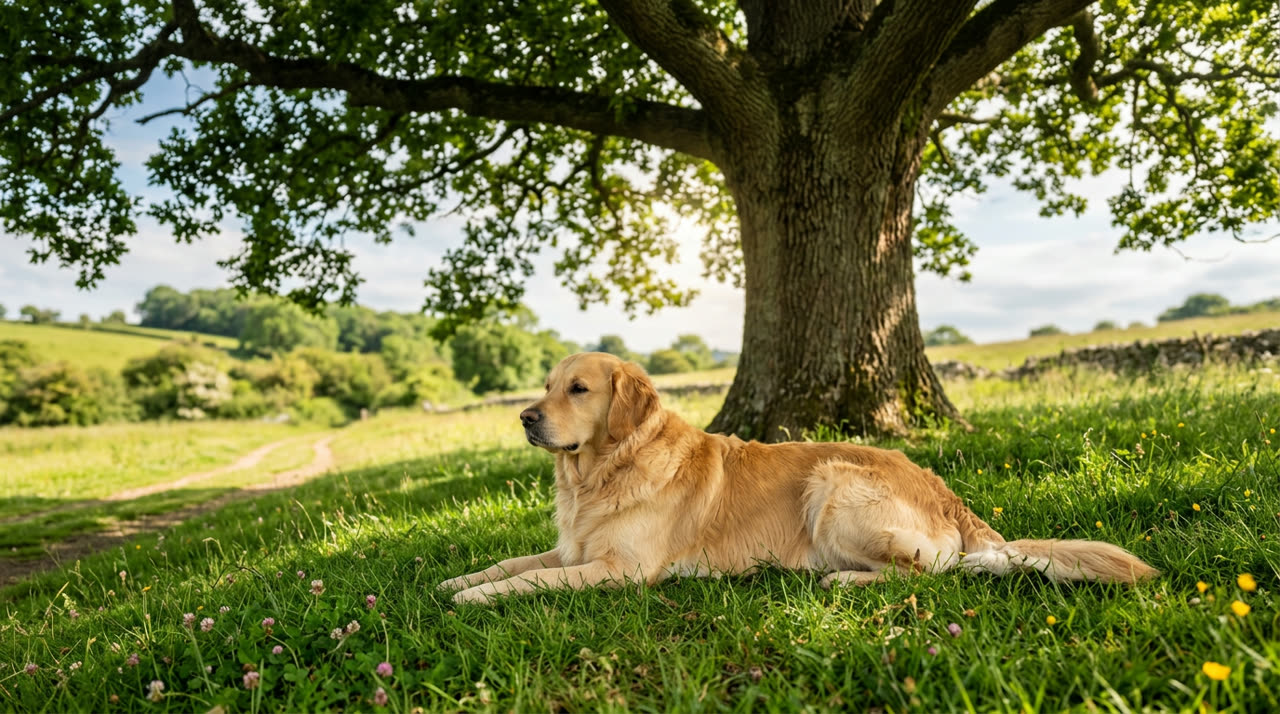
Why Golden Retrievers Struggle in High Heat
To protect your dog, it helps to understand why Golden Retrievers are particularly vulnerable to elevated temperatures. Unlike humans, dogs cannot cool themselves down through sweat across their bodies. Instead, they rely primarily on panting to release internal body heat and regulate their system. Panting exchanges warm air from inside their lungs with cooler ambient air outside.
When the air temperature approaches or exceeds your dog's natural body temperature—around 101 to 102.5 degrees Fahrenheit—panting becomes significantly less effective. Combined with high humidity, which prevents evaporative cooling, your Golden Retriever's internal temperature can spike unexpectedly fast.
Additionally, a Golden Retriever's signature double coat plays a complex role in summer. The plush undercoat traps air, while the topcoat shields against sunlight. While you should never shave a Golden Retriever—as shaving destroys their natural thermoregulation system and increases sunburn risk—regular grooming is essential to remove loose, dead undercoat fur so air can circulate down to the skin.
- Dogs primarily cool down through panting and a small amount of sweating through paw pads.
- High humidity severely reduces the effectiveness of panting.
- Never shave your Golden Retriever; instead, brush out dead undercoat hair regularly.
Recognizing Signs of Overheating and Heatstroke
Heat exhaustion and heatstroke are medical emergencies that can develop within minutes. Recognizing early warning signals allows you to intervene before mild thermal stress escalates into a dangerous situation.
Early signs of overheating include heavy, rapid panting, excessive drooling with thick saliva, reddened gums, and visible lethargy. Your dog may lag behind during a normal walk, seek out shady spots, or refuse to continue moving forward. If these symptoms are ignored, the condition can rapidly advance to true heatstroke.
Advanced heatstroke signs include unsteadiness on their feet, vomiting, diarrhea, bright red or pale purple gums, confusion, and sudden collapse. If you notice any of these severe signs, immediate action is required to save your dog's life.
- Early Warning Signs: Excessive panting, thick drool, bright red gums, looking for shade, lagging behind.
- Severe Heatstroke Symptoms: Disorientation, stumbling, vomiting, dark red or purple gums, collapse.
- Immediate First Aid: Move to shade/air conditioning, offer small sips of cool (not ice-cold) water, wet paws and belly with room-temperature water, and contact a veterinarian immediately.
Adjusting Exercise Schedules for Summer Weather
Golden Retrievers are high-energy dogs that require daily physical activity, but hot summer days mean changing your normal routine. High noon and mid-afternoon are the most hazardous times for outdoor exertion. To keep your pet safe, shift all energetic activities to early morning or late evening when ambient temperatures drop.
During peak summer heat, opt for shorter, relaxed strolls rather than intense games of fetch or long jogging sessions. Pay close attention to the ambient temperature and heat index. As a general rule, if the temperature combined with humidity feels uncomfortably hot to you in a light shirt, it is definitely too hot for a heavy-coated Golden Retriever to exercise vigorously outdoors.
Always tailor activities to your individual dog's age and health status. Senior Golden Retrievers, young puppies, and dogs with preexisting respiratory or cardiac conditions are much more sensitive to heat and require extra caution.
Protecting Sensitive Paw Pads from Hot Surfaces
Asphalt, concrete, sand, and artificial turf absorb heat throughout the day and can reach temperatures far higher than the air above them. On an 85-degree day, dark asphalt surface temperatures can quickly surpass 135 degrees Fahrenheit—hot enough to cause painful blisters and severe burns on delicate paw pads within seconds.
Before setting out on a walk, use the 7-second palm test. Place the back of your bare hand firmly against the pavement for seven full seconds. If the surface feels uncomfortably hot for your hand, it is far too hot for your Golden Retriever's paws.
Stick to grassy trails, shady dirt paths, or covered walkways whenever possible. If walking on hard surfaces during warm hours is unavoidable, consider protective dog boots made of breathable fabrics, or apply protective paw wax to cushion and shield pad skin.
- Perform the 7-second palm test on pavement before every walk.
- Walk on grass or dirt paths instead of asphalt and concrete.
- Invest in breathable dog boots or paw protective wax for hot surfaces.
Hydration Strategies and Refreshing Summer Treats
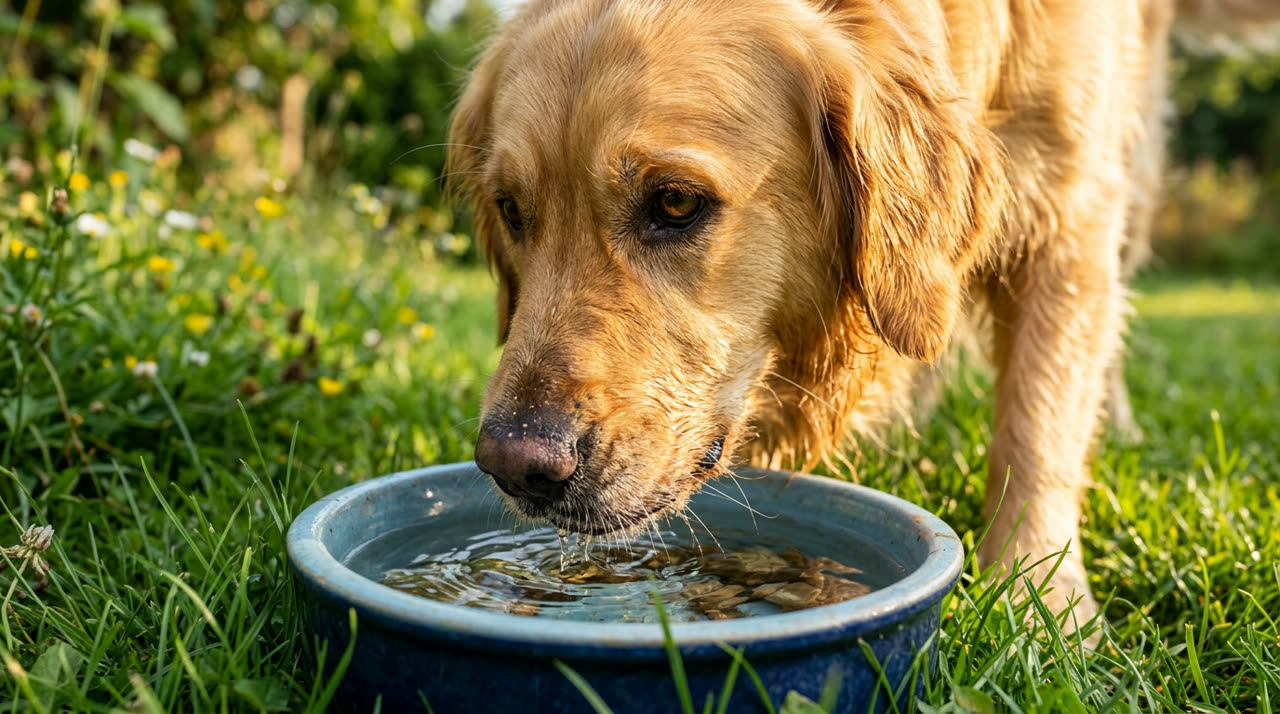
Proper hydration is your Golden Retriever's first line of defense against summer heat. Ensure fresh, clean water is accessible in multiple locations around your home and yard at all times. When traveling or walking outdoors, carry a portable dog water bottle with an attached collapsible bowl.
Encouraging your dog to drink can also be made fun and engaging through summer treats. Making homemade frozen dog treats is a quick, inexpensive way to provide hydration and mental stimulation simultaneously.
You can freeze low-sodium chicken broth, plain unsweetened dog-safe yogurt, or mashed bananas into silicone molds or ice trays. You can also freeze safe fruits like blueberries, watermelon chunks (seeds and rind completely removed), or apple slices in water to create enticing ice blocks for backyard licking.
Fun Backyard Water Games and Safe Cooling Equipment
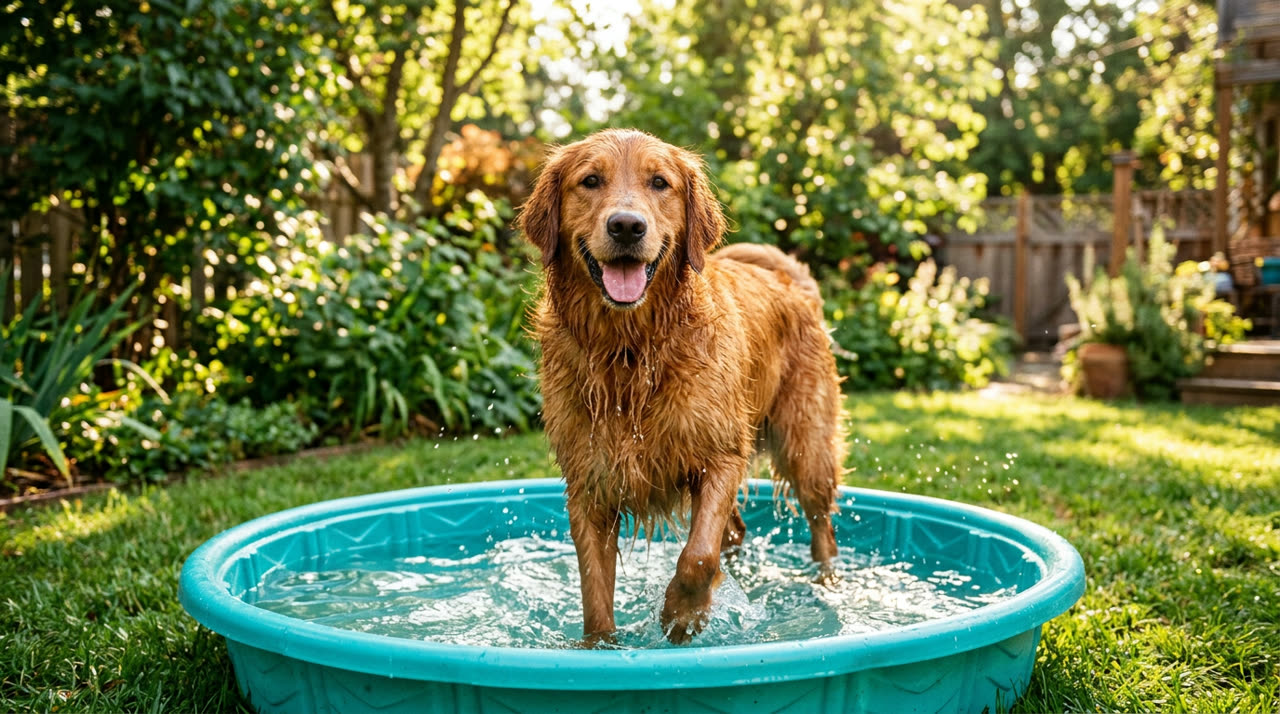
Golden Retrievers are famously obsessed with water, making water play one of the safest and most enjoyable ways to burn energy during warm months. Setting up a shallow plastic kiddie pool in a shaded spot gives your Golden a quick way to plunge their paws and lower body temperature.
Cooling vests and cooling mats are also fantastic investments for summer comfort. Evaporative cooling vests are soaked in cool water, wrung out, and fitted around your dog's chest; as the water slowly evaporates, it draws heat away from their core body.
If your Golden loves swimming in natural bodies of water like lakes, rivers, or pools, always prioritize safety. Rinse their coat thoroughly with fresh water afterward to remove chlorine, salt, algae, or bacteria, and dry their ears thoroughly to prevent painful ear infections.
Summer should be a season of joy, outdoor fun, and memorable bonding with your Golden Retriever. By making simple adjustments to your daily routine—such as shifting walk times, protecting tender paws, providing ample fresh water, and engaging in safe water play—you can keep your loyal companion cool and protected all season long.
Always stay observant, listen to your dog's signals, and prioritize shade and rest whenever temperatures rise. With thoughtful care and proper preparation, your Golden Retriever will thrive throughout the sunny summer months.





0 Comments