
Golden Retrievers are universally famous for their gentle temperaments, boundless energy, and undeniable love for food. If you share your home with one of these wonderful dogs, you already know that they approach every single mealtime with the excitement of a dog that has never been fed before. While this enthusiastic appetite is endearing, managing a Golden Retriever's daily nutrition requires careful attention and consistency.
Because this breed is predisposed to weight gain, joint issues, and specific heart conditions, providing balanced nutrition isn't just about filling their bowl. It involves selecting high-quality ingredients, understanding caloric requirements based on age and activity level, and maintaining a strict portion control routine. In this comprehensive guide, we break down everything you need to know about feeding your Golden Retriever from puppyhood through their golden years.

Understanding Golden Retriever Nutritional Requirements
To keep a Golden Retriever thriving, their daily diet must supply a precise balance of macronutrients, vitamins, and minerals tailored to large breeds. Protein serves as the foundational building block for strong muscles, healthy skin, and a shiny coat. High-quality animal proteins—such as chicken, turkey, beef, lamb, and salmon—should always be listed as the primary ingredient in your dog's food.
Fats are equally crucial as they provide a concentrated source of energy and support vital cellular functions. However, because Golden Retrievers gain excess weight easily, dietary fat levels should remain moderate, typically between 12% and 16% for healthy adult dogs. Omega-3 and Omega-6 fatty acids, commonly derived from fish oil or flaxseed, play an essential role in reducing inflammation and maintaining coat health.
Additionally, Golden Retrievers benefit immensely from heart-supportive nutrients like taurine and L-carnitine. Research in veterinary cardiopathology has highlighted the connection between nutritional intake and cardiac health in large breeds, making these compounds key additions to a complete diet.
- High-Quality Protein: Aim for 22% to 30% crude protein to support lean muscle mass.
- Healthy Omega Fatty Acids: Promotes a dense, glossy double coat and reduces skin irritation.
- Joint Support Compounds: Glucosamine and chondroitin help protect hips and knees.
- Cardiac Support: Taurine and L-carnitine promote strong long-term heart function.
Golden Retriever Puppy Feeding: 8 Weeks to 12 Months
During their first year of life, Golden Retriever puppies experience astonishing physical growth. From eight weeks old to twelve months, they grow from playful little fur balls into near full-sized dogs. Feeding a specially formulated large-breed puppy food during this critical window is essential to ensure controlled, even bone and joint development.
Standard puppy formulas can sometimes promote rapid growth rates that strain developing growth plates, increasing the risk of hip dysplasia later in life. Large-breed puppy food maintains an optimized calcium-to-phosphorus ratio and reduced caloric density to encourage a steady, safe rate of physical growth.
Young puppies also require frequent, smaller meals throughout the day to prevent low blood sugar and digestion trouble. As your puppy matures, you will gradually decrease the frequency of feedings while adjusting portion sizes upward to meet their expanding physical energy needs.
- 8 to 12 Weeks: Feed 3 to 4 meals daily using dedicated large-breed puppy kibble.
- 3 to 6 Months: Transition to 3 meals daily, closely monitoring weight gain.
- 6 to 12 Months: Shift to 2 structured meals per day (morning and evening).
- 12 to 15 Months: Slowly transition from puppy food to adult maintenance formula over 7-10 days.
Adult Golden Retriever Diet: Portions and Caloric Intake
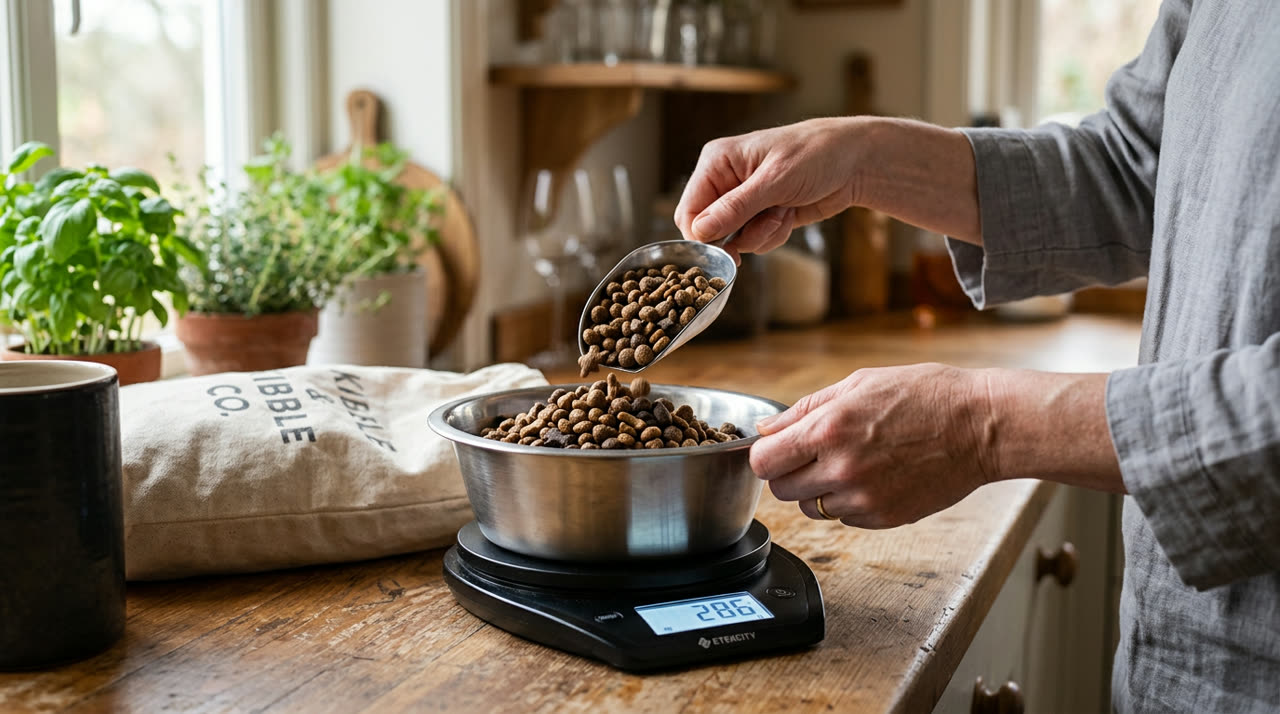
Once your Golden Retriever reaches full maturity around 12 to 18 months of age, their metabolism begins to settle. An active adult Golden Retriever typically requires between 1,000 and 1,500 calories per day, depending on factors like age, spay/neuter status, daily exercise levels, and individual metabolism.
Instead of relying solely on the generalized feeding charts found on dog food bags, measure food carefully using a standard measuring cup or a digital kitchen scale. Bag recommendations often overestimate the amount of food an average house pet needs, leading to subtle, unintended weight gain over time.
Establishing a firm routine by feeding two equal meals per day—once in the morning and once in the evening—helps stabilize blood sugar, promotes healthy digestion, and prevents begging behavior throughout the day.
- Active Adults (2+ hours exercise): ~1,300 to 1,500 calories divided into two meals.
- Moderately Active Adults (1 hour exercise): ~1,100 to 1,300 calories per day.
- Inactive or Neutered/Spayed Adults: ~900 to 1,100 calories daily to prevent excess weight.
- Consistency Matters: Keep meal times predictable to establish good digestive rhythms.
Senior Golden Retriever Care: Diet Adjustments for Older Dogs
As Golden Retrievers enter their senior years—usually around age seven or eight—their physical activity naturally slows down, and their metabolic rate decreases. Continuing to feed the same calorie-dense adult food during this stage often leads to rapid weight gain, putting extra stress on aging joints.
Switching to a formula designed for senior dogs helps manage caloric intake while boosting essential nutrients that protect brain and joint health. Senior diets generally feature lower fat content, elevated fiber levels to keep older dogs feeling full, and higher proportions of joint-protecting supplements.
Senior dogs may also experience dental sensitivities or mild kidney shifts. Adding warm water or low-sodium bone broth to dry kibble can soften the food, enhance palatability, and encourage extra hydration, which is vital for organ health in aging pets.
- Reduced Calories: Lower calorie density helps prevent senior weight gain.
- Enhanced Joint Care: High levels of glucosamine and chondroitin relieve stiffness.
- Higher Dietary Fiber: Maintains healthy digestion and promotes a feeling of fullness.
- Moisture Boosts: Warm water or bone broth added to food supports kidney hydration.
Preventing Obesity: The Body Condition Score Method
Obesity is one of the most common nutritional health challenges facing Golden Retrievers today. Extra weight significantly reduces a dog's lifespan, accelerates the onset of arthritis, and increases the risk of metabolic issues. Because Golden Retrievers have plush double coats, physical weight gain can easily hide underneath their thick fur.
Rather than relying on bathroom scale numbers alone, veterinarians use a Body Condition Score (BCS) on a 1-to-9 scale to evaluate a dog's physical build. You can perform a simple hands-on inspection at home to check if your Golden is maintaining a healthy shape.
Gently place your hands on the sides of your dog's chest. You should be able to feel their ribs easily under a thin layer of fat without pressing hard. When looking down at your dog from above, you should see a clear waistline behind the ribs. From the side, their abdomen should tuck up slightly toward their hind legs.
- Feel the Ribs: Ribs should be easily felt like knuckles under a light glove.
- Look for an Hourglass: An overhead view should reveal a subtle waist tuck.
- Account for Treats: Daily treats should make up no more than 10% of total daily calories.
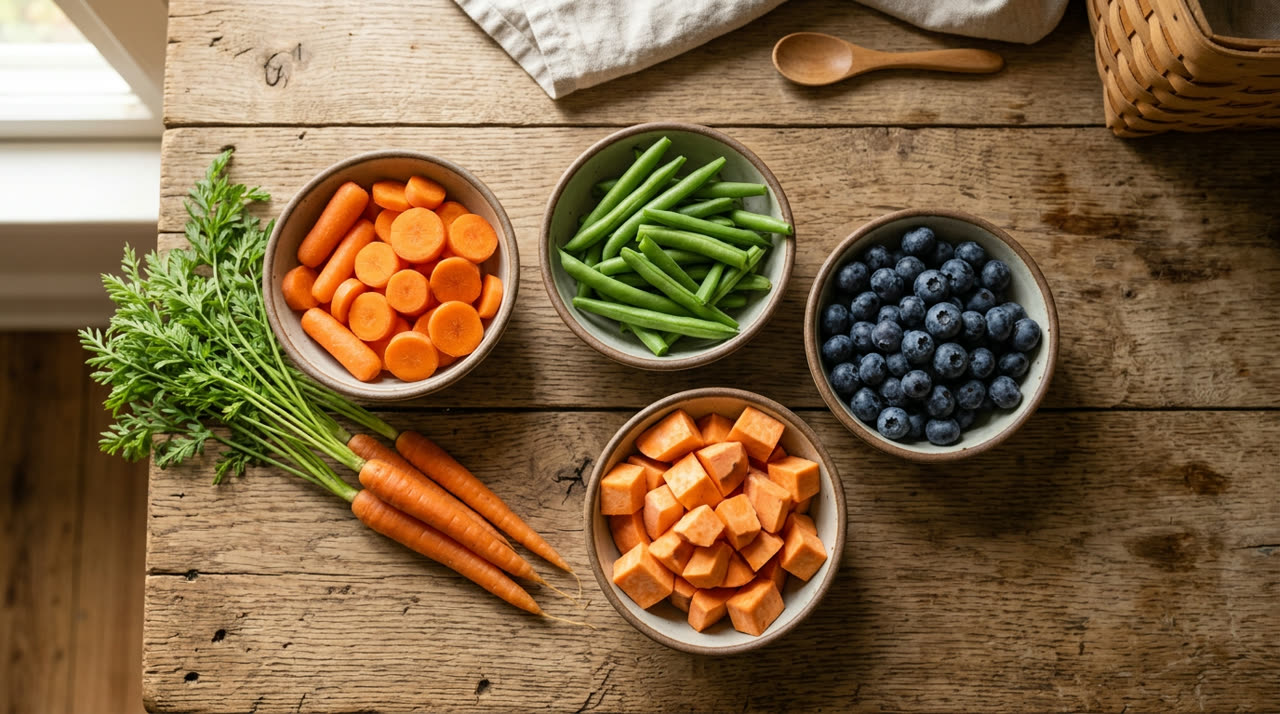
- Healthy Low-Cal Snacks: Use green beans, raw carrots, or cucumber slices as training rewards.
Common Golden Retriever Feeding Mistakes to Avoid
One frequent error among dog owners is free-feeding, which means leaving a full bowl of food out all day. Because Golden Retrievers rarely self-regulate, free-feeding almost always leads to overeating, anxiety around food, and rapid weight gain. Scheduled meal times are much safer and allow you to track changes in appetite quickly.
Another critical topic involves grain-free diets. In recent years, veterinary cardiologists have studied potential links between certain grain-free, legume-rich dog foods and Dilated Cardiomyopathy (DCM) in breeds like Golden Retrievers. Unless your vet specifically diagnoses a grain allergy, traditional grain-inclusive diets containing healthy grains like brown rice and oatmeal remain the recommended choice.
Finally, protect your dog from dangerous human foods. Keep toxic ingredients like chocolate, grapes, raisins, onions, garlic, macadamia nuts, and anything containing the sweetener xylitol safely out of your Golden Retriever's reach at all times.
- Avoid Free-Feeding: Stick strictly to structured morning and evening mealtimes.
- Be Cautious with Grain-Free: Consult your veterinarian before excluding wholesome grains.
- Prevent Bloat (GDV): Avoid intense physical exercise for one hour before and after meals.
- Toxic Foods Awareness: Never share grapes, raisins, chocolate, onions, or xylitol products.
Providing your Golden Retriever with a balanced, portion-controlled diet is one of the single most effective ways to ensure a long, happy, and active life. By selecting a high-quality formula appropriate for their current life stage, keeping close tabs on daily calories, and offering healthy treats in moderation, you protect their joints, heart, and overall vitality.
Remember that every dog is a unique individual. Factors like temperament, daily physical exercise, and individual metabolism will mean your Golden's exact food portion may need slight adjustments over time. Partner closely with your veterinarian during annual checkups to monitor weight and adjust meal plans, keeping your beloved retriever thriving for years to come.





0 Comments