
Golden Retrievers are famous for their joyous enthusiasm, athletic build, and seemingly endless reserve of stamina. Originally bred as hardworking gundogs to retrieve waterfowl in challenging Scottish terrains, modern Golden Retrievers still possess that inherent drive and working vigor. Whether trotting through a muddy field or bouncing across a suburban living room, these intelligent dogs thrive when given regular physical activity. However, determining exactly how much exercise your Golden Retriever requires isn't a simple one-size-fits-all equation. A floppy three-month-old puppy has vastly different physical capabilities and orthopedic boundaries than a prime three-year-old adult or a gentle nine-year-old senior.
Providing the right amount of daily physical exertion is vital for your dog's long-term physical health, emotional balance, and structural joint integrity. Insufficient exercise often leads to pent-up frustration, weight gain, and destructive indoor habits like excessive chewing or demand barking. On the flip side, pushing a growing pup or an aging canine beyond their natural limits can cause severe joint strain, chronic pain, or long-term orthopedic injuries. In this comprehensive guide, we will break down the exact daily activity recommendations for Golden Retrievers across every life stage, exploring safe activity choices, warning signs of overexertion, and practical routine planning to keep your companion healthy and happy.
Understanding Golden Retriever Energy Levels and Exercise Needs
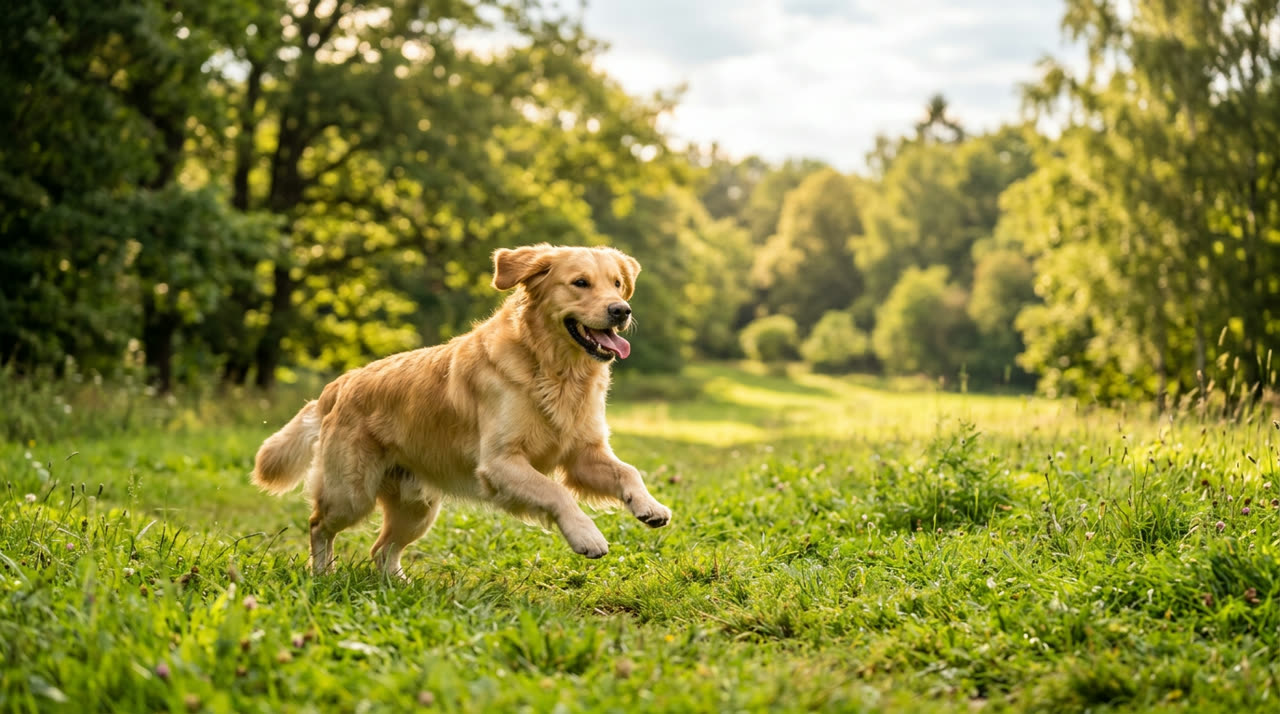
To properly tailor your Golden Retriever's activity routine, it helps to understand what drives their physical capabilities. As medium-to-large sporting dogs, Goldens possess high cardiovascular endurance, powerful muscle structure, and an alert, active mind. They are not couch potatoes by design, though many will happily cuddle once their daily physical needs are met. On average, a healthy adult Golden Retriever requires between 60 to 90 minutes of dedicated physical activity every single day, split into multiple structured sessions.
It is equally important to distinguish between simple low-impact movement and intense aerobic conditioning. A leisurely stroll around the block allows for beneficial sniffing and mental decompression, but it rarely burns off the deep athletic energy built into this breed. Incorporating varied terrains, moderate brisk walking, swimming, and controlled play sessions helps hit the sweet spot between physical fitness and proper joint care. Balancing structured physical output with mental rest creates a calm, well-adjusted pet indoors.
Puppy Exercise Rules: The 5-Minute Rule and Growth Plate Safety
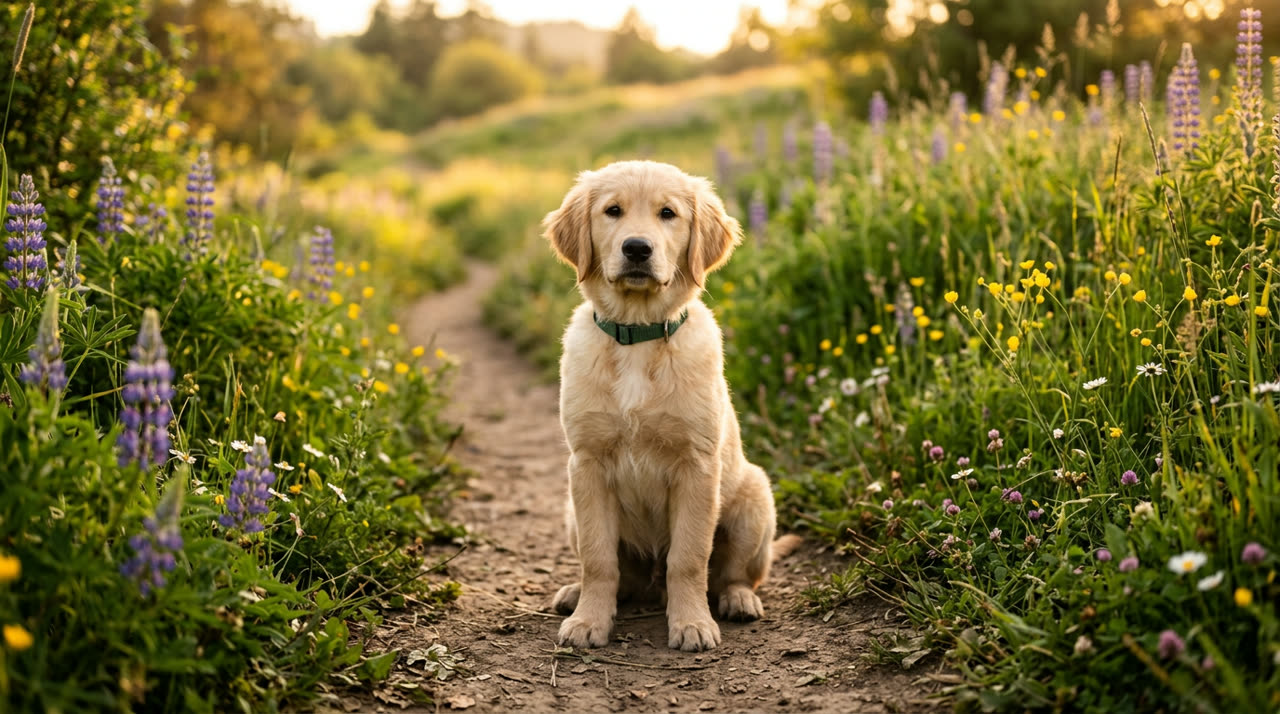
Raising a Golden Retriever puppy is a joyful experience, but their exuberant play style can easily obscure their physical vulnerability. Young puppies are born with soft, developing bones and open growth plates—the flexible regions of cartilage located at the ends of long bones. These growth plates gradually harden into solid bone as the pup matures, usually closing between 12 and 18 months of age. Subjecting a young puppy to repetitive, high-impact exercise before growth plates close can result in lifelong joint deformation, elbow dysplasia, or early-onset arthritis.
To protect your growing puppy while providing sufficient outlets for energy, veterinary experts recommend following the 5-minute rule. This simple guideline suggests scheduling 5 minutes of formal, structured exercise per month of age, up to twice per day. For example, a 4-month-old Golden Retriever puppy should engage in no more than 20 minutes of formal walking per session, twice a day.
- 3 Months Old: Up to 15 minutes of structured walking twice daily, supplemented by short indoor play.
- 6 Months Old: Up to 30 minutes of structured walking twice daily on soft surfaces like grass or dirt paths.
- 9 Months Old: Up to 45 minutes of moderate structured walking twice daily, avoiding high-impact jumping or long runs.
- 12 to 18 Months: Gradual transition toward adult exercise capacity as growth plates solidify.
Exercise Needs for Adult Golden Retrievers (Ages 1 to 7)
Once your Golden Retriever reaches full physical maturity—typically around 18 to 24 months—their physical capacity peaks. Adult Goldens are robust athletes capable of joining you on hiking trips, long nature walks, and brisk jog routines. At this stage, aim for a minimum of 60 to 90 minutes of daily activity, ideally divided into a morning session and a late afternoon or evening routine. Consistent daily exercise is far healthier than being a 'weekend warrior,' where a dog rests all week and engages in grueling physical activity only on Saturdays and Sundays.
Variety is key during the adult years to maintain structural strength and prevent boredom. A combination of neighborhood walks, off-leash romps in safe fenced areas, fetch games with floating toys, and agility drills keeps your dog's muscular system balanced. Always monitor weather conditions during adult workouts, as Goldens possess dense double coats that trap body heat during warm summer months.
- Morning Routine: A 30-to-45-minute brisk walk paired with basic obedience practice to kickstart the day.
- Afternoon Routine: A 30-to-45-minute session featuring interactive fetch, swimming, or park exploration.
- Rest Days: Include 1 or 2 lighter activity days each week featuring lower-intensity sniffing walks and puzzle toys.
Modifying Activity for Senior Golden Retrievers (Ages 8 and Older)
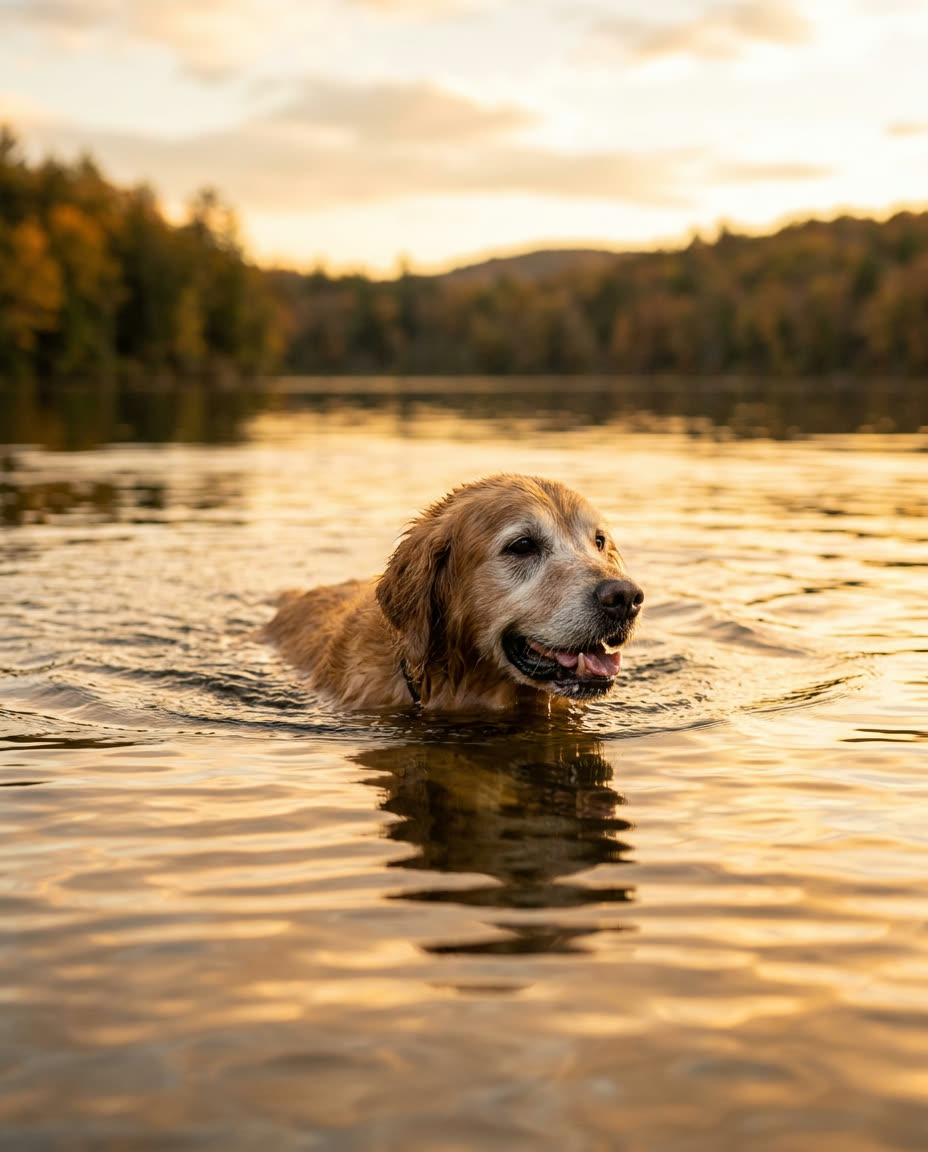
As Golden Retrievers enter their golden years—usually around age eight—their energy levels, recovery time, and joint elasticity naturally begin to shift. Senior dogs still require daily physical movement to preserve muscle tone, support cardiovascular function, and maintain healthy joint lubrication. However, the intensity, duration, and surface types of their exercise routines must be adjusted to protect aging joints from wear and tear.
Short, frequent walks are significantly better for a senior Golden Retriever than one long, exhausting outing. For instance, three gentle 15-minute walks scattered throughout the day will keep joints warm and mobile without causing stiffness later in the evening. Pay extra attention to walking surfaces; soft grass, packed dirt, or rubberized paths are far gentler on arthritic paws and hips than unforgiving concrete or asphalt.
- Switch from long treks to multiple short, low-impact strolls across comfortable grass or dirt terrain.
- Incorporate warm-up massages and gentle range-of-motion stretching before and after walks.
- Provide non-slip booties or rug runners at home to prevent slipping on smooth hardwood or tile flooring.
Ideal Physical Activities Beyond Basic Walking
While daily neighborhood walks provide baseline physical activity, Golden Retrievers thrive when introduced to sports and games tailored to their natural instincts. Retrieving is woven directly into their DNA, making regulated fetch games an outstanding physical workout. Instead of hard, erratic throws that force sudden stopping and twisting, use long, smooth throws on flat grass to encourage steady sprinting and soft landings.
Swimming is perhaps the single best form of exercise for a Golden Retriever of any age. Water provides full-body cardiovascular resistance while floating the dog's body weight, eliminating joint impact entirely. Swimming is especially beneficial for senior dogs suffering from stiffness or young adults undergoing physical rehabilitation. Additionally, nosework activities like hidden-treat searches in the backyard combine light movement with heavy mental effort, tiring out your dog in a gentle, highly satisfying way.
Recognizing Signs of Over-Exercise and Under-Exercise
Finding the perfect exercise equilibrium requires observing your Golden Retriever's behavioral and physical cues. An under-exercised dog will usually communicate their unspent energy through destructive behaviors, such as digging in the yard, chewing furniture, relentless pacing, or demand barking. They may also display restless energy during bedtime or show unexpected weight gain over time due to excess unburned calories.
Conversely, over-exercise is a serious risk that can lead to acute injuries, heat exhaustion, or chronic joint degradation. Because Goldens are extremely eager to please, they will often ignore pain or exhaustion just to stay by your side. Watch carefully for subtle physical signs that signal it is time to stop and rest immediately.
- Lagging behind during walks or frequently sitting down on the trail.
- Excessive panting, dark red gums, or thick, ropy saliva.
- Stiffness, limping, or difficulty standing up the morning after exercise.
- Raw, worn, or cracked paw pads from rough or hot terrain.
Tailoring a daily exercise routine to your Golden Retriever's specific life stage is one of the most effective investments you can make in their overall health and happiness. By honoring the delicate growth plates of puppies, fulfilling the high athletic demands of healthy adults, and accommodating the gentle boundaries of seniors, you set your dog up for a vibrant, pain-free life. Always listen to what your dog's body language is telling you, adjust activity levels during extreme weather, and consult your veterinarian if you notice persistent stiffness or changes in mobility. With the right balance of physical movement and mental stimulation, your Golden Retriever will remain an energetic, joyful companion for many years to come.



0 Comments