
For over a century, elite international cricket operated as one of the most exclusive clubs in global sports. Dominated by a handful of Full Member nations with deep-rooted traditions and substantial financial backing, the upper echelon of the sport seemed virtually impenetrable. Smaller, non-test-playing countries—known in administrative parlance as Associate nations—were often relegated to secondary qualifiers far out of the public eye, appearing in major tournaments only as temporary participants where heavy defeats were practically expected.
Today, that traditional hierarchy is rapidly shifting. Fueled by structural changes in match formats, global player mobility, and passionate domestic fanbases, Associate nations are no longer content with merely taking part. From stunning World Cup upsets to securing historic series victories over top-tier sides, these emerging teams are proving that tactical intelligence, athletic discipline, and raw determination can bridge the gap between amateur status and elite international performance.
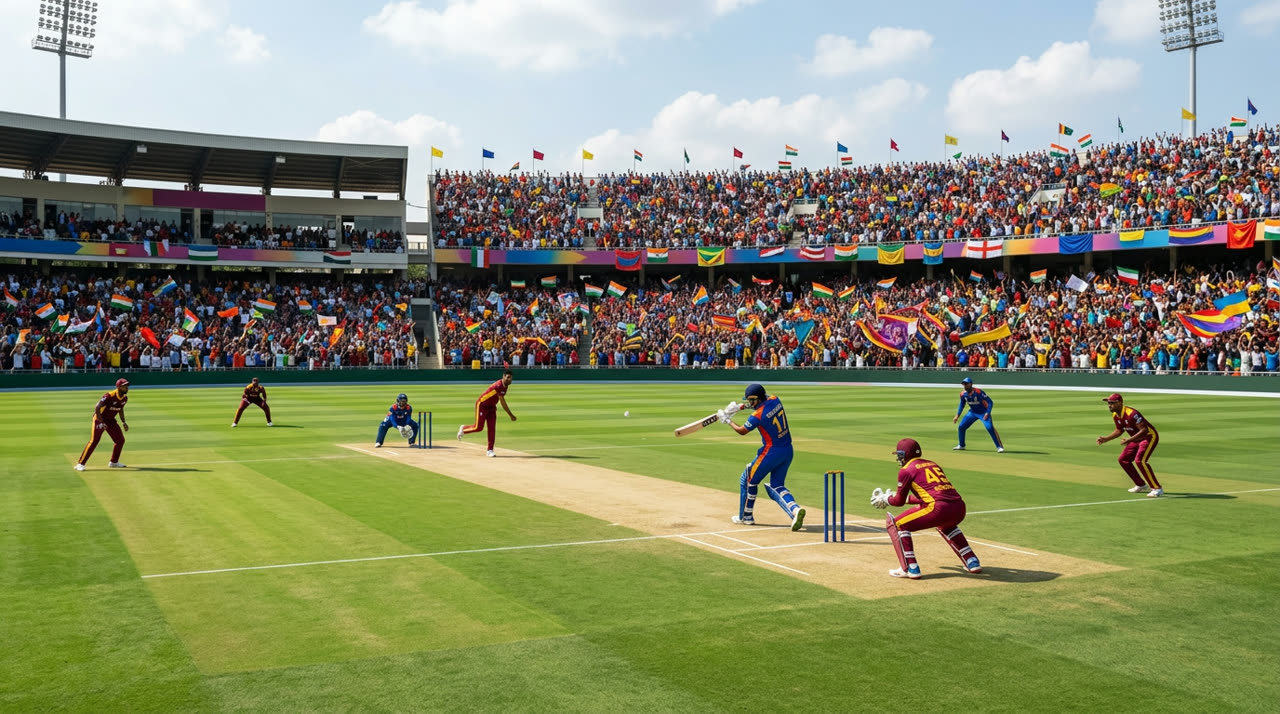
The Historical Barrier: From Exclusive Club to Global Game
Historically, cricket's growth was constrained by its institutional structure. The traditional Test-playing nations controlled the international calendar, revenue streams, and overall governance of the sport. For decades, cricket was exported primarily through historical trade and colonial ties, leaving vast regions of the world—such as North America, mainland Europe, and East Asia—outside the primary competitive ecosystem. Associate nations operated on shoestring budgets, with players balancing full-time day jobs alongside their national team commitments.
This structural isolation created a self-fulfilling cycle. Without regular fixtures against top-tier opposition, emerging teams struggled to develop high-performance standards. Furthermore, without broadcast visibility, national boards in non-traditional markets could not attract lucrative commercial sponsorships or build modern training infrastructure. The gap between established powers and the rest of the world felt insurmountable, preserving an oligopoly at the peak of international competition.
T20: The Great Equalizer of Modern Cricket
The catalyst for breaking this long-standing divide came in the form of 20-over cricket. While Test cricket remains the ultimate test of physical and mental endurance over five days—a format where deep bench strength and vast resources heavily favor established nations—T20 dramatically shortens the margin for error. In a 120-ball contest, two exceptional individual performances or a single dominant five-over spell can turn the tide of a match completely.
T20 cricket has effectively flattened the tactical landscape. Associate teams can now employ highly focused strategies, such as stacking their lineups with specialized spin bowlers or aggressive pinch-hitters designed to exploit specific match-ups. Because the format demands immediate execution rather than sustained attrition, underdog nations can maintain high intensity throughout the match, putting immense pressure on traditional powerhouses who might take time to settle into their rhythm.

Global Talent Mobility and Diaspora Pathways
Another driving force behind the rise of Associate cricket is the increased mobility of players and coaching staff worldwide. Modern high-performance programs in emerging nations are frequently led by former international players and elite strength-and-conditioning coaches from established cricketing hubs. This influx of professional expertise has elevated field settings, video analysis, and fitness standards across non-Test nations to levels comparable with top-tier setups.
Additionally, global migration patterns have played a transformative role in nurturing talent. Countries like the United States, Canada, the Netherlands, and Oman have benefited immensely from skilled cricketers who developed their foundational skills in traditional powerhouses before relocating. Paired with domestic eligibility pathways, these experienced players bring invaluable high-pressure match experience to Associate dressing rooms, mentoring local talent and fostering a collective belief that established giants can indeed be beaten.
Overcoming the Infrastructure and Financial Disparity
Despite recent progress, the journey for Associate nations remains fraught with systemic challenges. Financial disparities remain stark; the revenue distribution models of international governing bodies still heavily favor Full Members. Most Associate cricket boards operate with a fraction of the budget available to top nations, making it difficult to maintain dedicated year-round training academies, offer full-time professional contracts, or construct state-of-the-art turf pitches.
To survive and thrive under these constraints, emerging boards have turned to creative solutions and cross-border partnerships to maximize their limited resources:
- Cross-border training camps and bilateral series organized with neighboring boards to reduce logistical costs.
- Leveraging multi-sport facilities and synthetic hybrid pitches to overcome regional climate and maintenance limitations.
- Securing private investment and corporate backing to build dedicated venues in expanding consumer markets.
- Utilizing remote performance analysis technology to track player metrics without needing expensive full-time sport labs.

The Cultural Awakening: Growing Fanbases in New Territories
Tactical evolution on the field is matched by a groundswell of public enthusiasm off it. In nations like Nepal, cricket has transformed from a secondary interest into a full-blown national passion. Packed stadiums with tens of thousands of vibrant supporters creating electrifying atmospheres demonstrate that cricket’s emotional center of gravity is no longer confined to its traditional heartlands.
In North America and Western Europe, targeted community outreach and local youth programs are introducing the sport to demographic groups that historically had zero exposure to bat-and-ball games. As local heroes emerge from these regions, they inspire a new generation of youth who view cricket not as an obscure foreign pastime, but as a viable professional athletic career. This cultural shift is essential for securing long-term grassroots investment and media rights growth.
What the Global Expansion Means for Cricket's Future
The rise of Associate nations is fundamentally healthy for the broader ecosystem of global sport. A discipline dominated by a tiny circle of nations risks stagnation and diminished international relevance in an increasingly connected world. By expanding the competitive field, international tournaments become far more unpredictable, narrative-rich, and commercially compelling for global broadcasters.
Furthermore, the success of emerging teams forces established nations to shed complacency. When high-ranking teams realize that a loss to an Associate side is a realistic possibility rather than a statistical anomaly, every international fixture carries genuine stakes. This competitive tension elevates the overall quality of international cricket and ensures that the game continues to evolve tactically, strategically, and athletically.
The transformation of cricket from an exclusive club into a genuinely global game is no longer a distant vision—it is an ongoing reality. As Associate nations continue to break down financial and structural barriers, their presence is redefining how the sport is played, watched, and valued across the globe. By embracing this expansion and fostering equitable opportunities for emerging countries, cricket is ensuring its relevance, longevity, and excitement for generations to come.





0 Comments