
Cyber Monday has evolved from a single day of online promotions into one of the biggest shopping events of the entire year. With millions of Americans logging on from work, home, and mobile devices to score massive discounts on electronics, home appliances, apparel, and holiday gifts, the excitement is undeniable. However, navigating the endless sea of banner ads, countdown timers, and promotional emails can quickly become overwhelming. Without a clear plan, shoppers often end up overspending on items they do not need or falling for inflated discount claims.
Not every advertised drop in price represents a true bargain. Retailers frequently use clever marketing tactics, such as raising base prices weeks before the holidays or highlighting outdated product models to make discounts look more impressive than they actually are. To help you get the absolute best value for your hard-earned money, we have put together seven practical, expert-backed Cyber Monday shopping strategies. Use this step-by-step guide to bypass fake discounts, safeguard your financial data, and secure genuine holiday savings.

1. Track Historical Prices to Spot Genuine Discounts
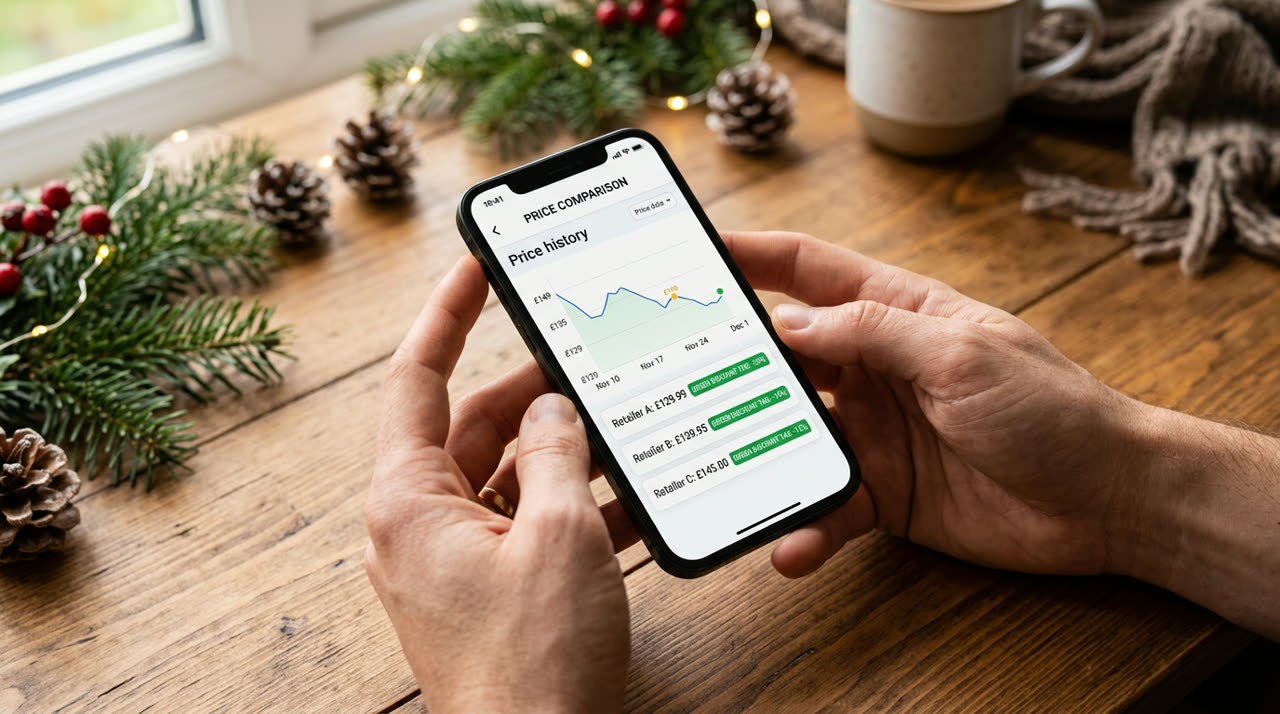
The most effective way to protect yourself from deceptive holiday pricing is to track a product's historical price trend rather than trusting the advertised discount percentage. Retailers often display a high 'list price' or 'original MSRP' next to the sale price to create a dramatic sense of savings. In reality, that product may have been selling at a lower price just weeks earlier.
Before adding an item to your digital cart, use free online price-tracking tools and browser extensions like Keepa or CamelCamelCamel for Amazon products, or price comparison sites like Google Shopping. These utilities generate price history charts showing exactly what an item cost over the last three to twelve months. If you notice that the current Cyber Monday price is identical to its average price in September, you know the discount is largely optical.
- Check price history charts going back at least 90 days before buying.
- Compare list prices across at least three major retailers before committing.
- Be skeptical of reference prices labeled as 'original value' or 'compare at'.
2. Beware of Stripped-Down Holiday Model Numbers
One of the best-kept secrets of holiday doorbusters involves specialized product manufacturing. During major shopping events like Cyber Monday and Black Friday, manufacturers often produce limited-run variants of popular electronics, particularly televisions, laptops, and soundbars. These items are commonly known as 'derivative models.'
While a derivative model might look identical to a flagship model on the surface, it often lacks key features—such as extra HDMI ports, higher refresh rates, premium display panels, or durable casing materials. Before purchasing a big-ticket electronic item at a suspiciously low price, double-check the exact model number. Search for online reviews of that specific alphanumeric code to confirm you are buying a full-featured product rather than a scaled-back edition created solely for deep-discount events.
- Search the exact model number to read verified consumer reviews.
- Compare technical specs against standard non-holiday inventory.
- Ensure essential connectivity ports and features are included.
3. Stack Savings with Browser Extensions and Cash-Back Apps
Scoring the lowest sale price is only the first step in maximizing your Cyber Monday savings. The real pro moves involve layer-upon-layer discounts, commonly referred to as stacking. By combining instant store discounts with digital promo codes and cash-back rewards programs, you can significantly reduce your final out-of-pocket cost.
Automated coupon tools like Honey, Capital One Shopping, or Rakuten automatically scan the web for active discount codes at checkout. Additionally, financial platforms and cash-back portals often offer boosted percentage-back rewards specifically on Cyber Monday. Taking an extra sixty seconds to activate a cash-back portal or test available promo codes can easily yield an extra 5% to 15% in overall savings.
- Install trusted shopping extensions standardizing coupon code testing.
- Check credit card portals for bonus cash-back offers on select merchants.
- Combine store reward points with existing storewide promotional codes.
4. Set Up Instant Price Alerts for High-Ticket Electronics
Flash sales and limited-time Cyber Monday doorbusters can sell out in minutes, leaving unprepared shoppers empty-handed. Rather than constantly refreshing retail websites throughout the day, let automated tools handle the monitoring for you.
Set up instant price drop alerts for your priority items using price tracking applications or store wishlist features. Many platforms will send a push notification or email the instant an item drops to your target price point. To capitalize on these fleeting deals, ensure you have set up user accounts with your preferred retailers in advance, complete with updated shipping addresses and saved payment preferences.
- Create target price alerts on major shopping comparison tools early.
- Log into retail accounts prior to sale events for rapid checkout.
- Save backup choices in case your primary product pick sells out quickly.
5. Scrutinize Return Policies, Restocking Fees, and Shipping Costs
A deal is only good if the fine print supports it. During peak shopping events, some online retailers alter their standard return windows, charge hidden restocking fees, or eliminate free shipping thresholds altogether.
Before finalizing any purchase, take a moment to review the merchant's holiday return policy. Major retailers usually extend their return windows through late January for holiday purchases, but third-party sellers on marketplace platforms may enforce much stricter rules. Keep an eye out for non-refundable shipping charges or high restocking fees on returned electronics, which can quickly wipe out any original savings if you decide to send an item back.
- Verify extended holiday return deadlines for third-party marketplace sellers.
- Check minimum spend requirements needed to qualify for free shipping.
- Look for hidden restocking fees on unboxed technology items.

6. Use the 24-Hour Digital Cart Strategy to Stop Impulse Buying
Cyber Monday marketing is intentionally designed to trigger urgency. Countdown clocks, low-stock warnings, and flashing banners are engineered to make you act on emotion rather than logic. This environment often leads to impulse buys—purchasing items simply because they appear cheap, not because they fulfill a real need.
To keep your budget intact, implement a modified cart pause strategy. Add prospective purchases to your shopping cart, then step away from your screen for at least 30 minutes to an hour. Ask yourself if the item was on your pre-planned shopping list or if it truly fits your holiday gift budget. If you still deem the item necessary after taking a break, proceed with the purchase; if not, remove it without regret.
- Create a strict shopping budget and itemized checklist before logging on.
- Step away from sales countdowns to clear your mind before paying.
- Calculate total spending periodically throughout the shopping session.
7. Secure Your Financial Data and Avoid Holiday Phishing Scams
As online transaction volumes surge on Cyber Monday, cybersecurity threats and phishing scams reach their annual peak. Fraudulent websites, lookalike retailer domains, and fake order tracking emails are widely deployed to capture credit card numbers and personal identity details.
Always verify that you are on a genuine retail website by double-checking the browser URL for correct spelling and secure protocol indicators. Whenever possible, use secure digital payment options like credit cards, PayPal, or Apple Pay rather than debit cards. Credit cards offer significantly stronger fraud protection mechanisms, ensuring that if a transaction goes awry, your primary bank balance remains protected while disputes are investigated.
- Avoid clicking direct links in unsolicited promotional text messages or emails.
- Use credit cards or virtual wallet services instead of debit cards.
- Verify web address spellings to spot fake lookalike retail domains.
Cyber Monday remains one of the premier opportunities of the year to stretch your holiday dollar, but true savings require intention and strategy. By checking historical price trends, evaluating model specifications, stacking rewards, and keeping security top of mind, you can shop with total confidence.
Remember that the best Cyber Monday purchases are the ones that fit comfortably within your predetermined holiday budget. Armed with these seven smart shopping rules, you are ready to navigate the virtual sales aisles like a pro, bypassing fake discounts and bringing home real value for you and your family.





0 Comments